14 Best Turmeric Recipes for Ant Inflammatory Meals
I have always loved experimenting with bold spices, but finding the right balance for your daily turmeric recipes takes real practice. Too much creates a bitter mess, while too little leaves dishes looking pale and flat. My first attempt at a golden milk chicken soup was an absolute disaster. I dumped three heaping tablespoons of ground spice into the broth, turning the entire pot into a chalky, inedible neon-yellow paste. My family politely took one sip, set their spoons down, and suggested we order pizza. That humbling dinner forced me to completely rethink how I handle potent roots. I spent the next six months testing varying amounts, learning exactly when to bloom the powder in oil and when to grate the fresh rhizome directly into a simmering sauce. Now, my husband requests my golden roasted cauliflower every single Sunday. These carefully tested meals offer gorgeous color without overwhelming your palate.
Why You Need These Healthy Turmeric Recipes
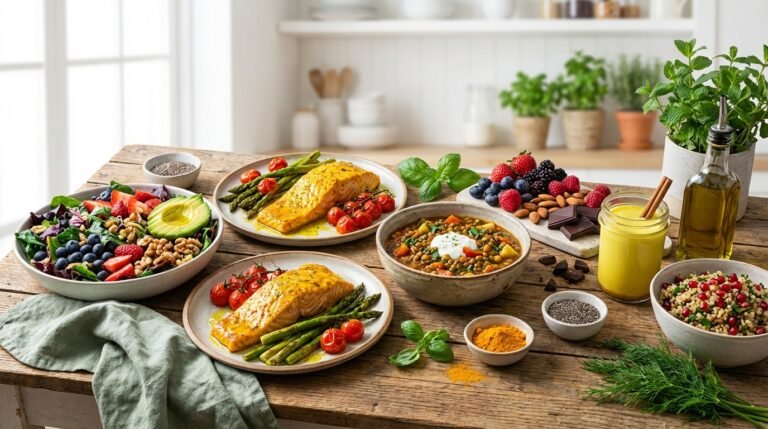
You need these meals because they seamlessly blend vibrant, earthy flavors with potent cellular protection in every bowl. The rich, golden hue transforms ordinary plates into striking visual feasts that practically glow on your dinner table. Warm, peppery notes carry a subtle mustard-like bitterness that rounds out heavy proteins and brightens up simple starches. Incorporating this vibrant root brings a comforting, grounding aroma to your kitchen that lingers long after dinner finishes.
Building a weekly menu around healthy turmeric recipes ensures you consistently consume beneficial compounds without feeling like you are eating diet food. It makes wellness feel luxurious and deeply satisfying.
Practical tip: Always store your ground spices in an airtight glass jar away from direct sunlight to preserve their delicate essential oils. I highly recommend using a reliable glass storage jar to keep moisture and heat from ruining the potency of your pantry staples.
Understanding the Health Benefits: An Ant inflammatory meals Guide
Consuming this golden root actively reduces joint swelling and aids cellular repair due to its high curcumin content. The active compound, curcumin, works directly within your body to block inflammatory pathways at the molecular level. I rely on these meals during the damp winter months when my knees start aching from old sports injuries. The soothing, warming qualities calm my digestive tract almost immediately after a heavy lunch. According to USDA FoodData Central, it also provides trace minerals like manganese and iron that support overall vitality.
Creating a solid Ant inflammatory meals rotation protects your immune system while delivering incredibly robust, restaurant-quality flavor profiles.
Practical tip: You only need about half a teaspoon of the dried powder per serving to achieve a noticeable physiological benefit. Measure carefully using stainless steel measuring cups to prevent the pungent earthiness from completely overpowering delicate broths and subtle vegetable sides.
How To Use Turmeric In Recipes for Maximum Absorption
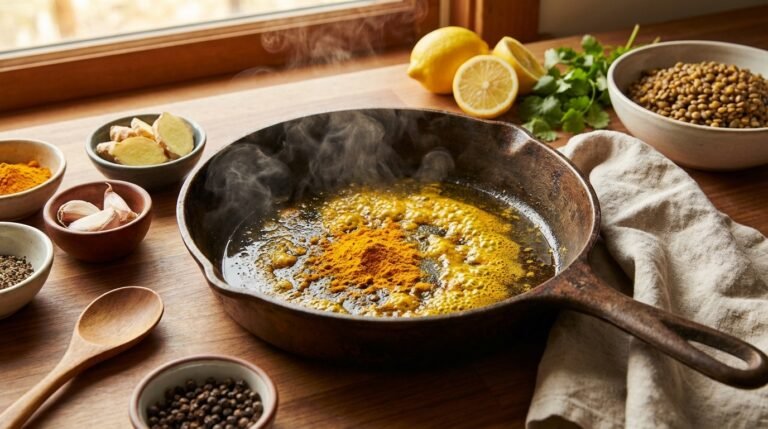
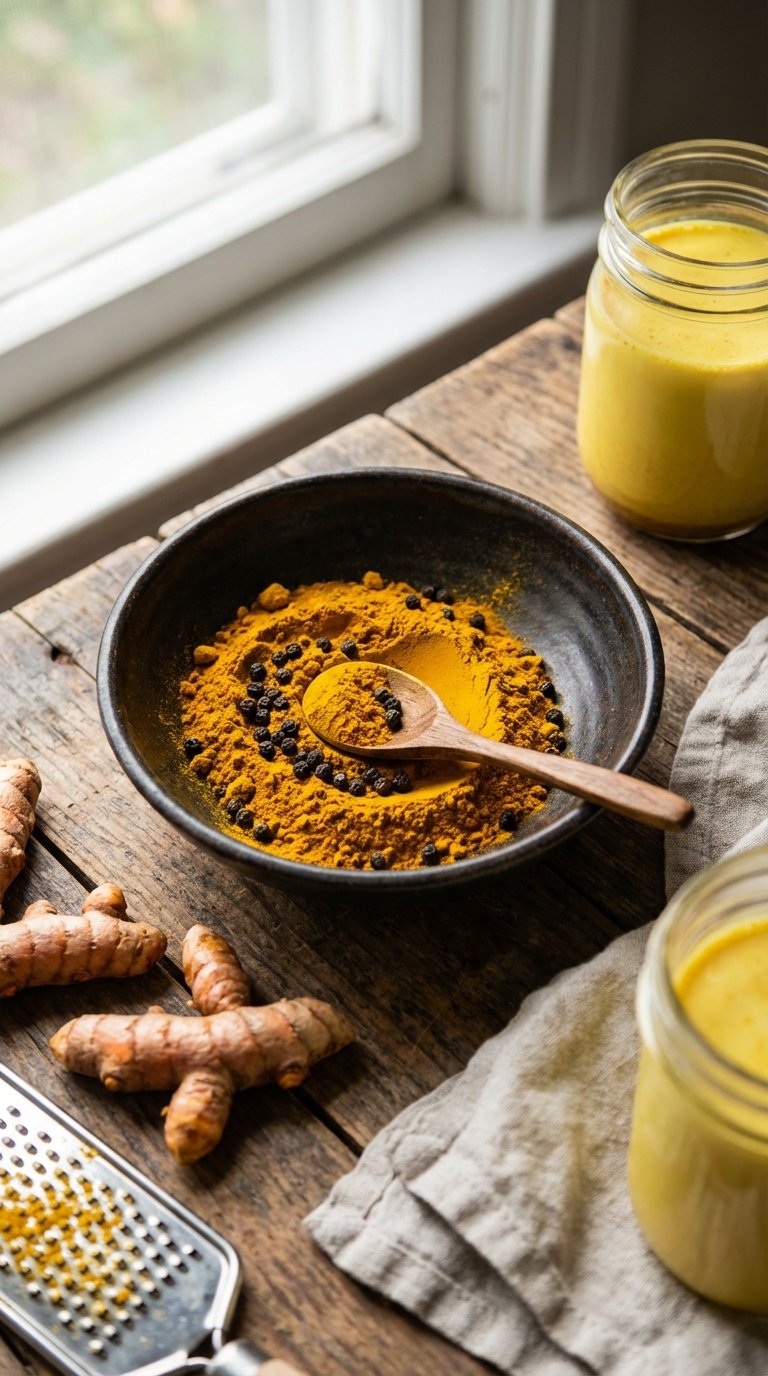
You must combine the spice with black pepper and a healthy fat to ensure your body actually absorbs the nutrients. Curcumin possesses poor bioavailability on its own, meaning it mostly flushes through your system unabsorbed without a catalyst. Adding just a tiny pinch of piperine, the active alkaloid in black pepper, increases nutrient absorption exponentially. I always bloom the ground powder in warm olive oil, coconut butter, or ghee before adding my liquid ingredients. This gentle blooming process releases fat-soluble compounds while deepening the overall aromatic complexity of the pan.
Knowing exactly how to use turmeric in recipes transforms a basic ingredient into a powerful dietary tool for your family.
Practical tip: Sauté the ground spice in oil for exactly thirty seconds over medium heat before adding onions or garlic. This brief toasting eliminates the raw, chalky texture that often ruins poorly executed soups, stews, and robust meat marinades.
Antiinflammatory breakfasts to Kickstart Your Morning
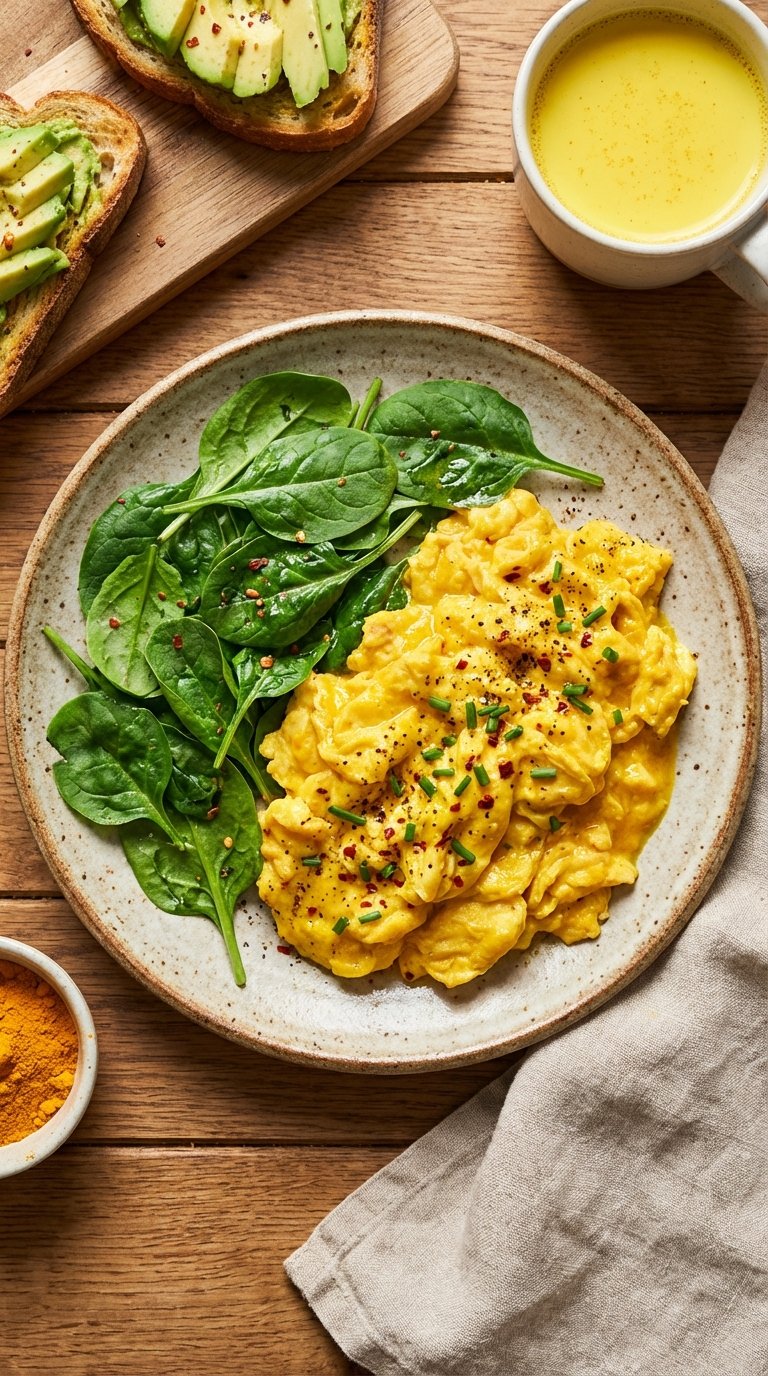
Adding a golden pinch to scrambled eggs or oatmeal provides sustained morning energy while calming digestive inflammation. Starting the day with savory, spiced dishes breaks the cycle of sugar crashes caused by traditional sweet pastries. The earthy notes blend beautifully with whisked eggs, spinach, and sharp feta cheese for a deeply satisfying scramble. I love folding a quarter teaspoon into warm coconut milk oatmeal, topped with toasted pecans and fresh blueberries. The gorgeous sunrise-yellow tint makes the bowl look incredibly appetizing and cheerful on dark, sleepy mornings.
These quick Antiinflammatory breakfasts set a positive, nourishing tone for the entire day without requiring extensive morning prep.
Practical tip: Whisk the dry powder directly into your raw eggs before pouring them into the hot skillet. This simple technique guarantees an even, beautiful color distribution rather than leaving unappetizing, concentrated yellow clumps scattered throughout your finished morning scramble.
Healing Beverages: Turmeric And Ginger Recipes
Steeping these two powerful roots together creates soothing tonics that clear congestion and ease an upset stomach. The spicy, sharp kick of fresh ginger slices perfectly balances the deep, grounding earthiness of the golden powder. Brewing them into a warm, fragrant tea fills the kitchen with a deeply comforting, aromatic steam. I rely on this specific combination every single autumn when the seasonal sniffles inevitably hit our household. A generous spoonful of raw honey and a squeeze of bright lemon juice finish the drink with a perfect sweet-tart contrast.
Developing your own turmeric and ginger recipes for beverages provides a wonderful, natural alternative to overly caffeinated afternoon drinks.
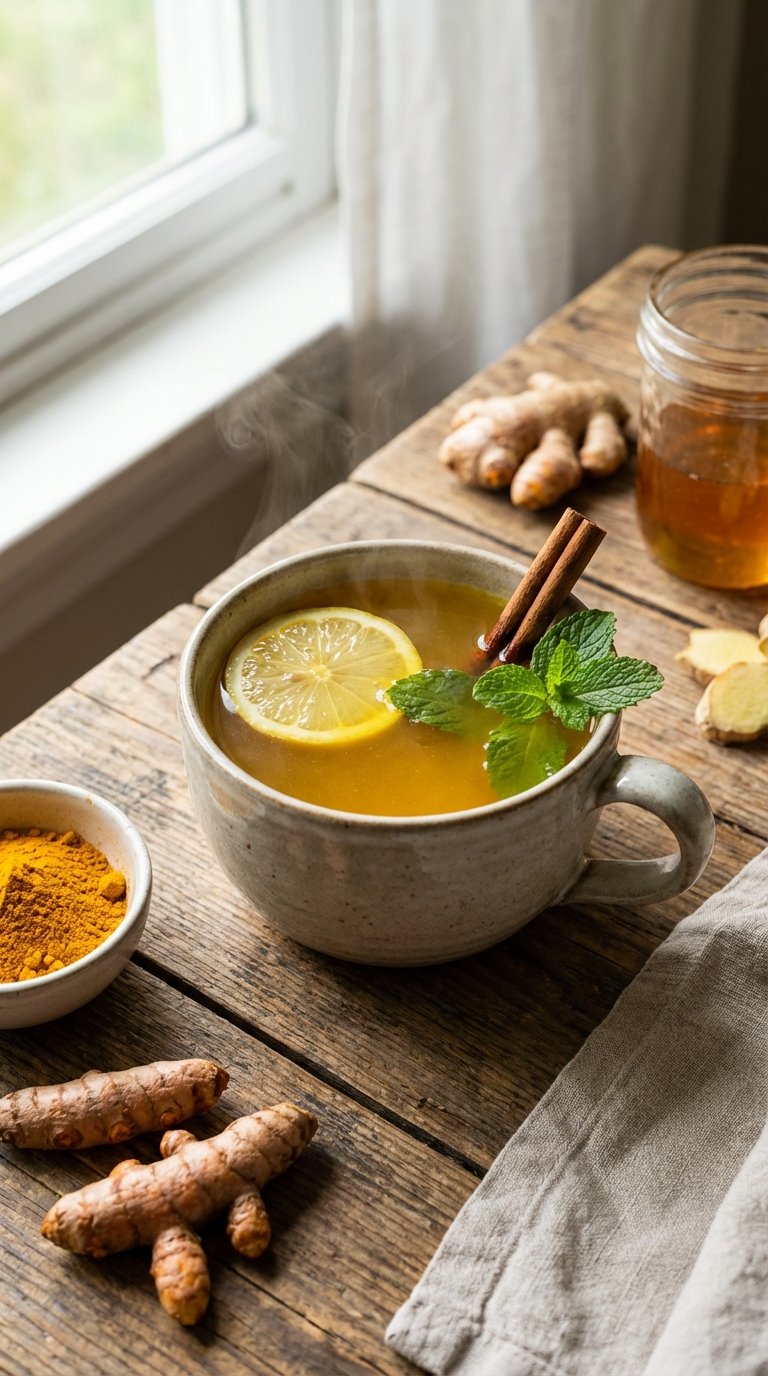
Practical tip: Always strain your homemade tonics through a fine mesh strainer before serving. Removing the fibrous ginger bits and undissolved powdery sediment ensures a perfectly smooth, highly enjoyable drinking experience for you and your guests every single time.
Vibrant Lunches: Mediterranean Diet Recipes with a Twist
Tossing chickpeas and quinoa with golden spices adds robust depth to your standard midday Mediterranean grain bowls. The bright, citrus-forward flavors of classic Greek and Lebanese fare pair exceptionally well with warm, earthy Indian spices. Imagine a crisp cucumber and tomato salad resting beside deeply spiced, oven-roasted falafel and fluffy couscous. I started adding a pinch to my lemon-herb vinaigrettes, and it completely transformed my boring desk lunches into something I actually crave. The combination of heart-healthy olive oil, fresh vegetables, and potent spices creates a symphony of satisfying textures.
Incorporating these spices into classic Mediterranean diet recipes elevates the nutritional profile while keeping your midday meals feeling surprisingly light.
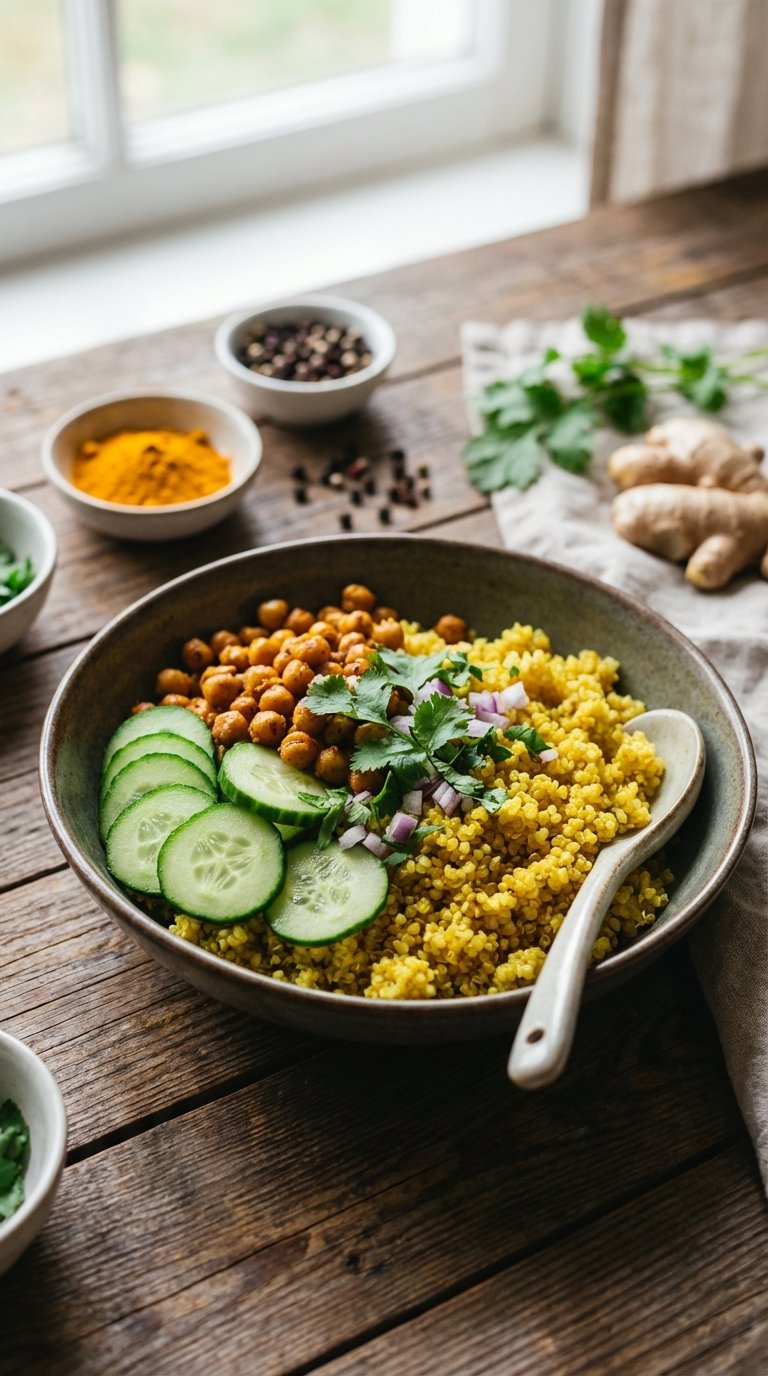
Practical tip: Marinate your grilled chicken or tofu in yogurt, lemon, and golden powder for at least four hours. The lactic acid tenderizes the proteins while locking in the brilliant color and complex, savory flavors.
Savory Dressings and Dips: Golden Tahini Recipes
Blending ground spice into sesame paste creates a remarkably creamy, nutty dip that pairs beautifully with raw vegetables. The rich, slightly bitter undertones of roasted sesame seeds match perfectly with the warm, peppery notes of the yellow root. A splash of ice-cold water transforms the thick paste into a lush, pourable dressing that clings to crisp romaine leaves. I love serving this stunning, neon-hued dip alongside an oversized platter of crunchy carrots and snap peas for casual weekend entertaining. It adds an unexpected, sophisticated twist to standard crudité spreads.
Mastering quick tahini recipes allows you to quickly drizzle complex, restaurant-quality flavor over simple roasted meats or steamed broccoli.
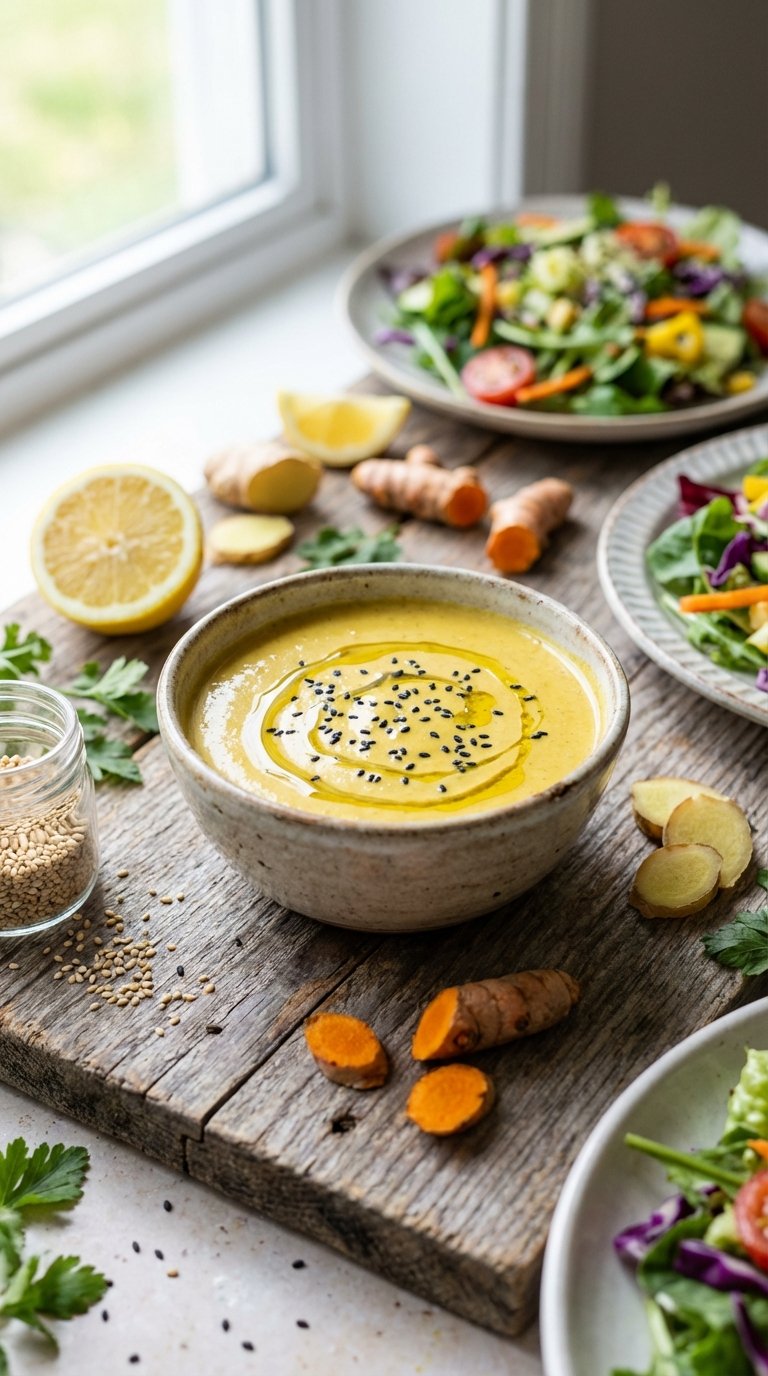
Practical tip: Always whisk your sesame paste with minced garlic and lemon juice before adding the dry spices. This prevents the powder from clumping and ensures a silky, uniform texture throughout your homemade dressing.
Nourishing Soups: High Fiber Recipes for Chilly Days
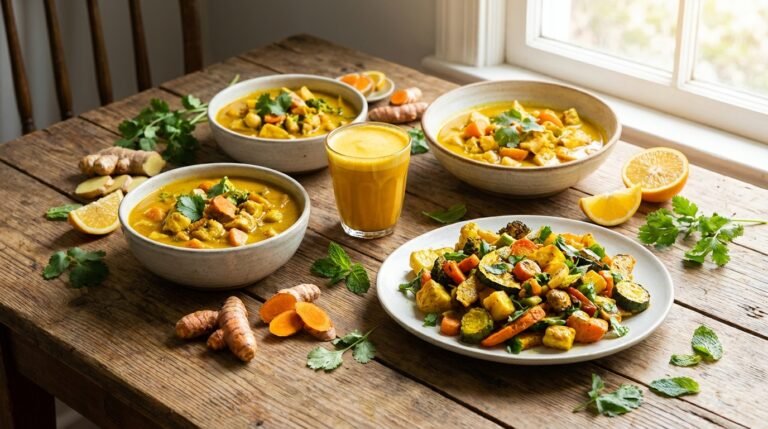
Simmering red lentils and root vegetables with warm spices yields a deeply comforting, thick stew perfect for winter. The starchy breakdown of split peas creates a naturally creamy broth without requiring any heavy dairy cream. Fragrant steam rises from the pot, carrying hints of toasted cumin, coriander, and earthy yellow spice through the house. I spent months perfecting my vegan lentil soup, finally realizing that a splash of coconut milk rounds out the sharp edges. It tastes incredibly hearty, providing sustained warmth that fills your stomach for hours.
Keeping a collection of hearty, high fiber recipes in your repertoire ensures you always have nourishing, freezer-friendly options available.
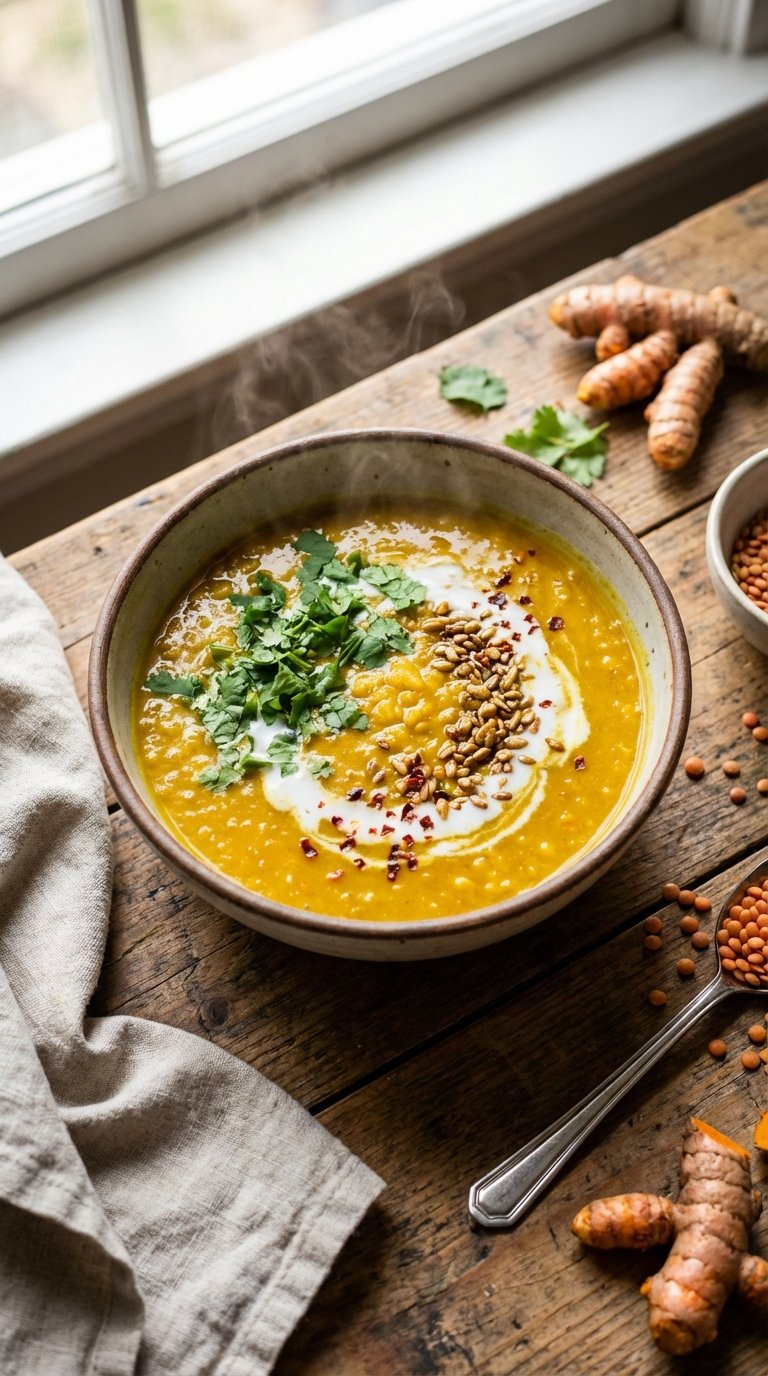
Practical tip: Bloom your dry spices alongside diced onions and celery in olive oil until highly fragrant before pouring in the vegetable broth. This crucial step deepens the base flavor profile of your entire soup.
Satisfying Turmeric Dinner Recipes and Mains
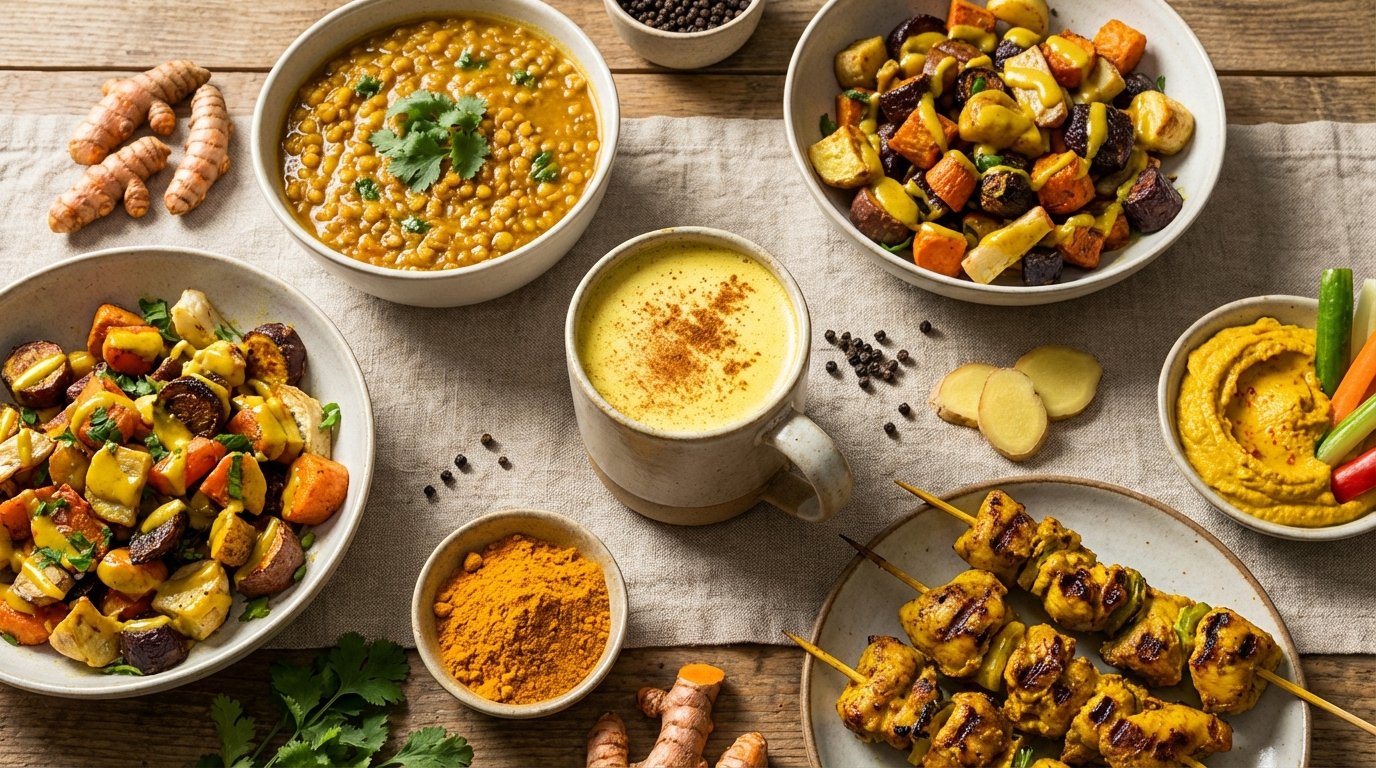
Marinating chicken thighs or firm tofu in a spiced yogurt blend results in exceptionally tender, flavor-packed evening meals. The bold pigment seeps deep into the proteins, creating a stunning, caramelized crust when seared in a hot cast-iron skillet. The complex, savory aromas mimic the experience of eating at a high-end Indian bistro right in your own dining room. After countless bland weeknight chicken dinners, I finally learned to trust heavy-handed seasoning for my main courses. Slicing into a perfectly roasted, golden-crusted chicken breast reveals incredibly juicy meat that bursts with warm, aromatic flavors.
Building your weekly rotation with vibrant turmeric dinner recipes keeps family meals exciting while delivering substantial nutritional perks.

Practical tip: Always use a high-quality wood cutting board when slicing your cooked proteins to avoid dulling your knives. Wash the board immediately with hot, soapy water to prevent the intense yellow pigment from staining the wood grain permanently.
Clean Eating Recipes Using Fresh Root vs Powder
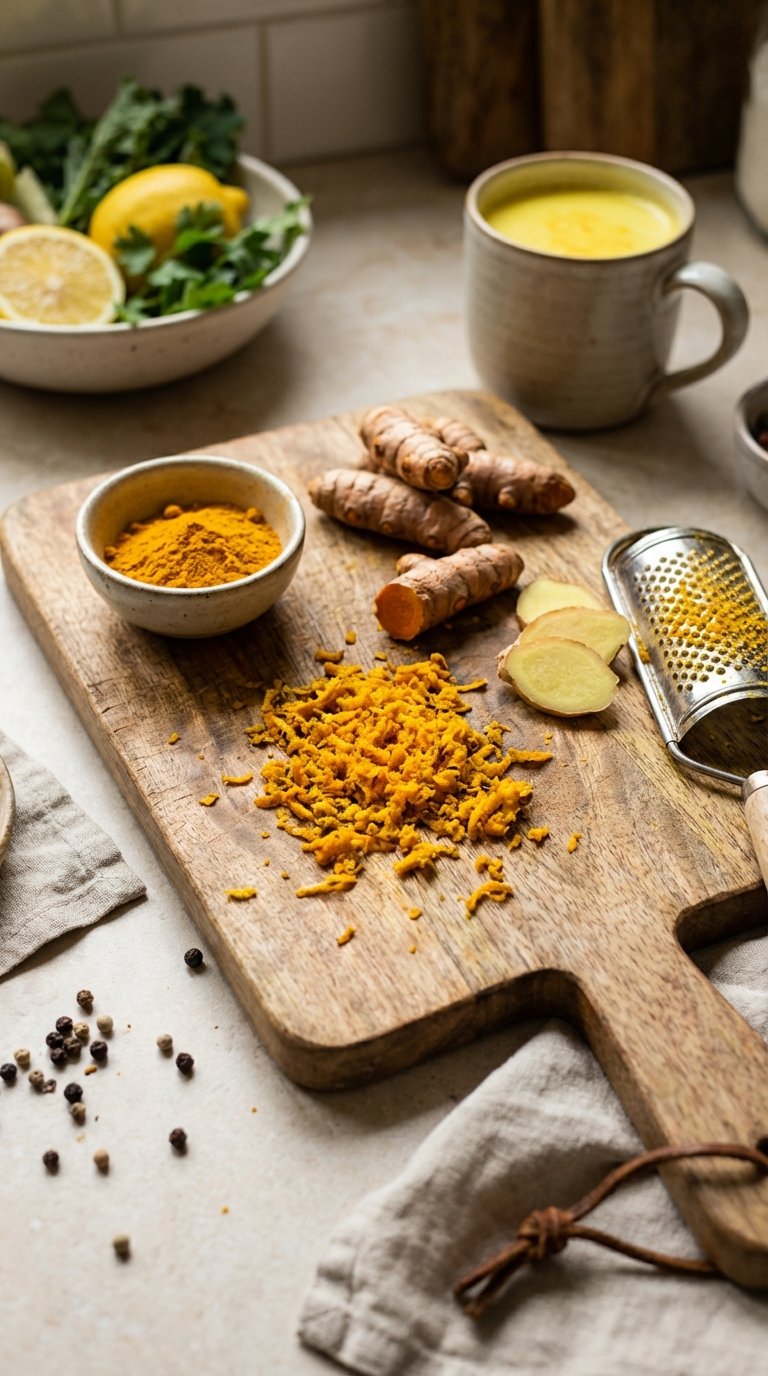
Grating the fresh rhizome provides a brighter, zingier flavor profile compared to the concentrated earthiness of the dried version. The raw root resembles a smaller, darker ginger knob and releases a surprisingly vibrant, almost floral juice when finely minced. I accidentally stained my fingertips bright orange for three days the first time I peeled one without wearing gloves. The fresh version shines brilliantly in raw juices, zesty salad dressings, and light vegetable broths where you want a cleaner finish. Alternatively, the dried powder holds up much better in long-simmering curries and high-heat roasting applications.
Developing versatile clean eating recipes means understanding exactly when to reach for the potent fresh root versus the convenient pantry staple.
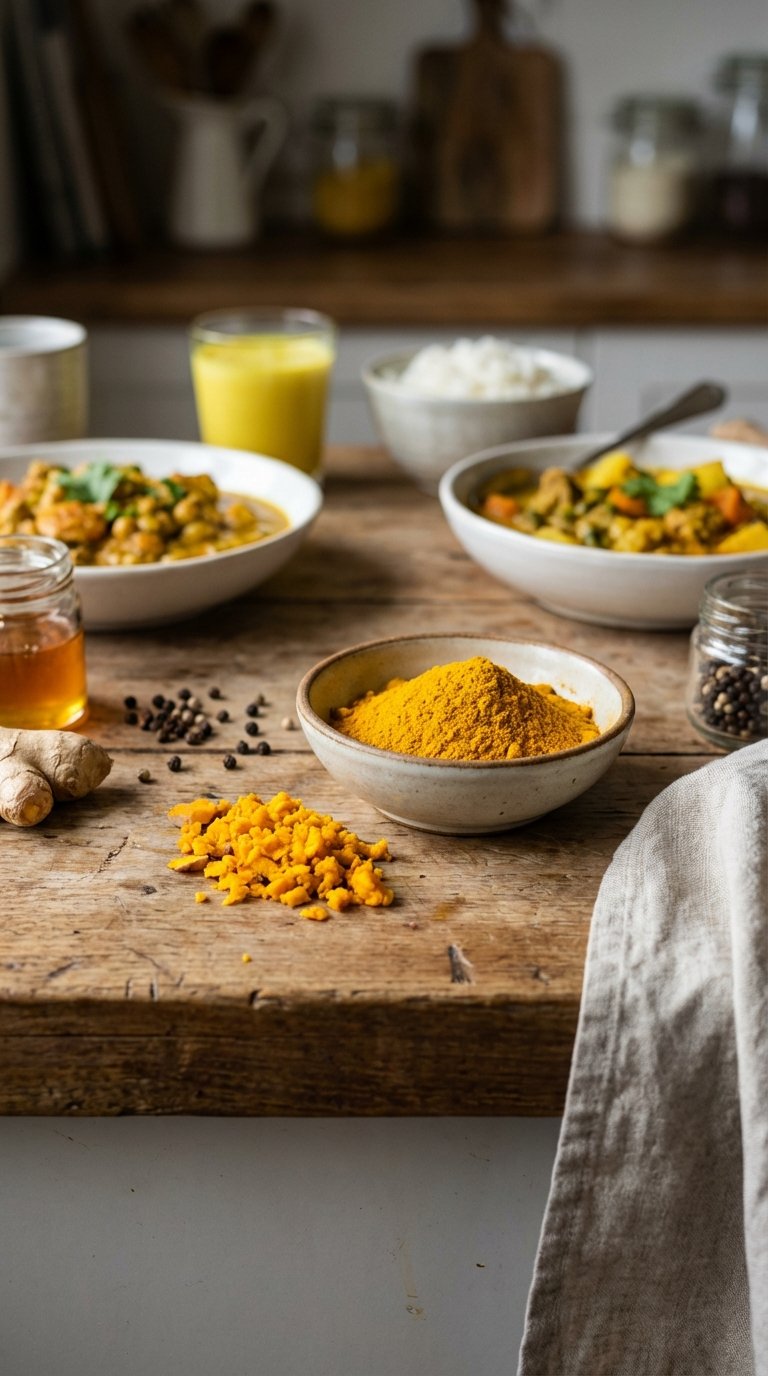
Practical tip: Store unpeeled fresh roots in your crisper drawer for up to three weeks. You can also freeze the whole knobs and grate them directly into your simmering pots while frozen solid.
Spicy Turmeric Uses for Roasted Vegetables and Sides
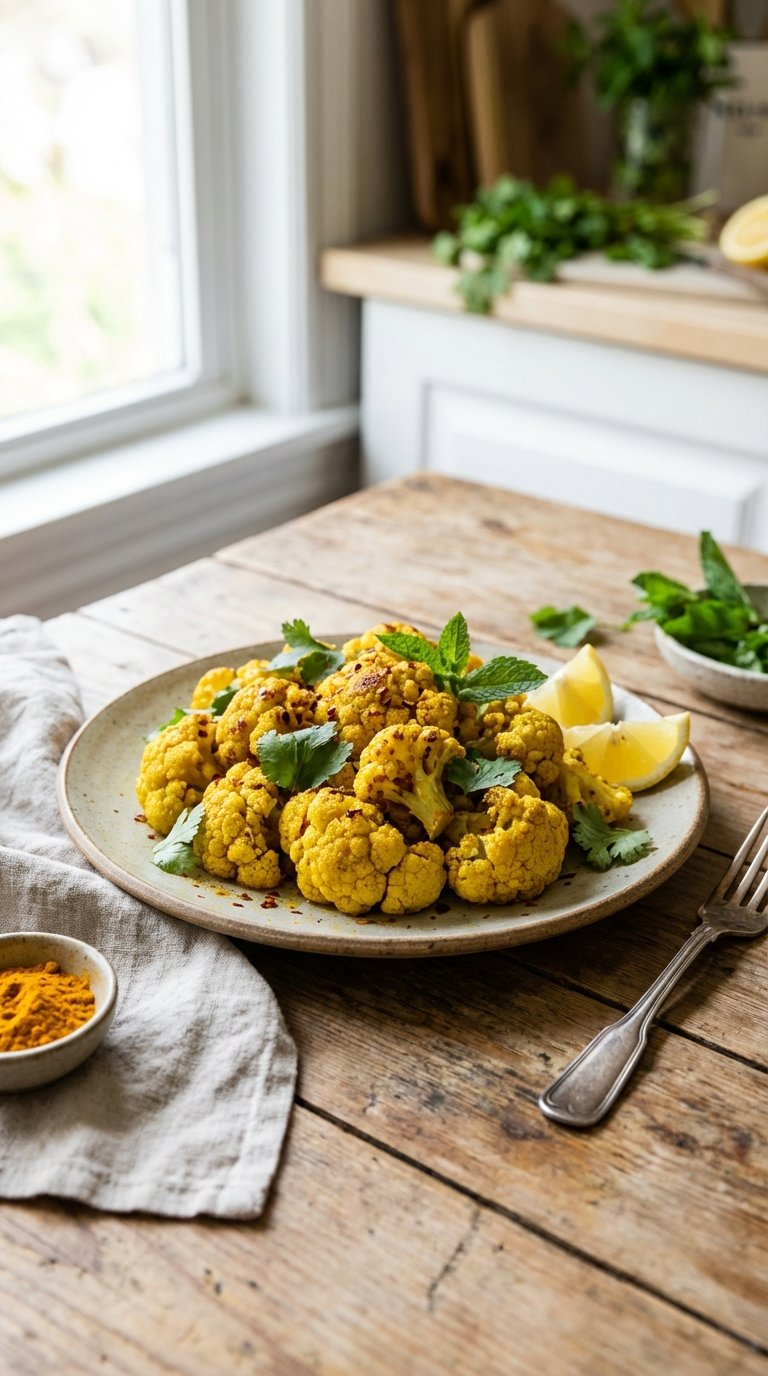
Tossing cauliflower florets and diced sweet potatoes in this warm spice blend creates intensely flavorful, caramelized side dishes. The dry heat of the oven transforms the slightly bitter raw powder into a sweet, deeply toasted coating that clings to every crevice. Crisp, charred edges give way to tender, steaming vegetable centers that pair wonderfully with heavy proteins. I started making spiced roasted carrots for holiday dinners, and they completely overshadowed the traditional mashed potatoes. The rich color contrasts beautifully with roasted green beans, making your dinner plates look professionally styled with minimal effort.
Exploring creative spicy turmeric uses helps you easily increase your daily vegetable intake by making plain produce completely irresistible.
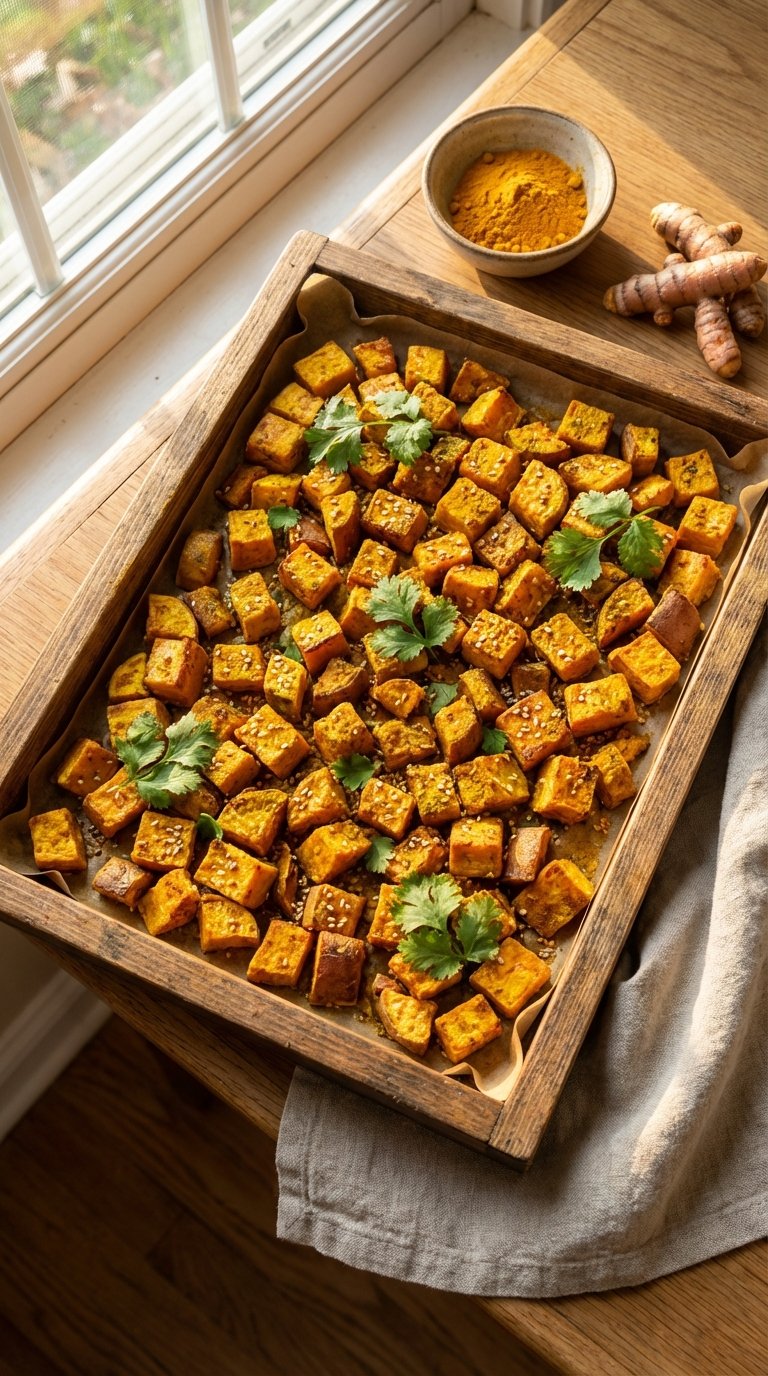
Practical tip: Line your heavy baking sheets with parchment paper before roasting spiced vegetables. The pigment will stubbornly stain untreated aluminum pans, requiring aggressive scrubbing that damages the smooth metal finish of your favorite cookware.
Quick and Easy Recipes With Turmeric Powder
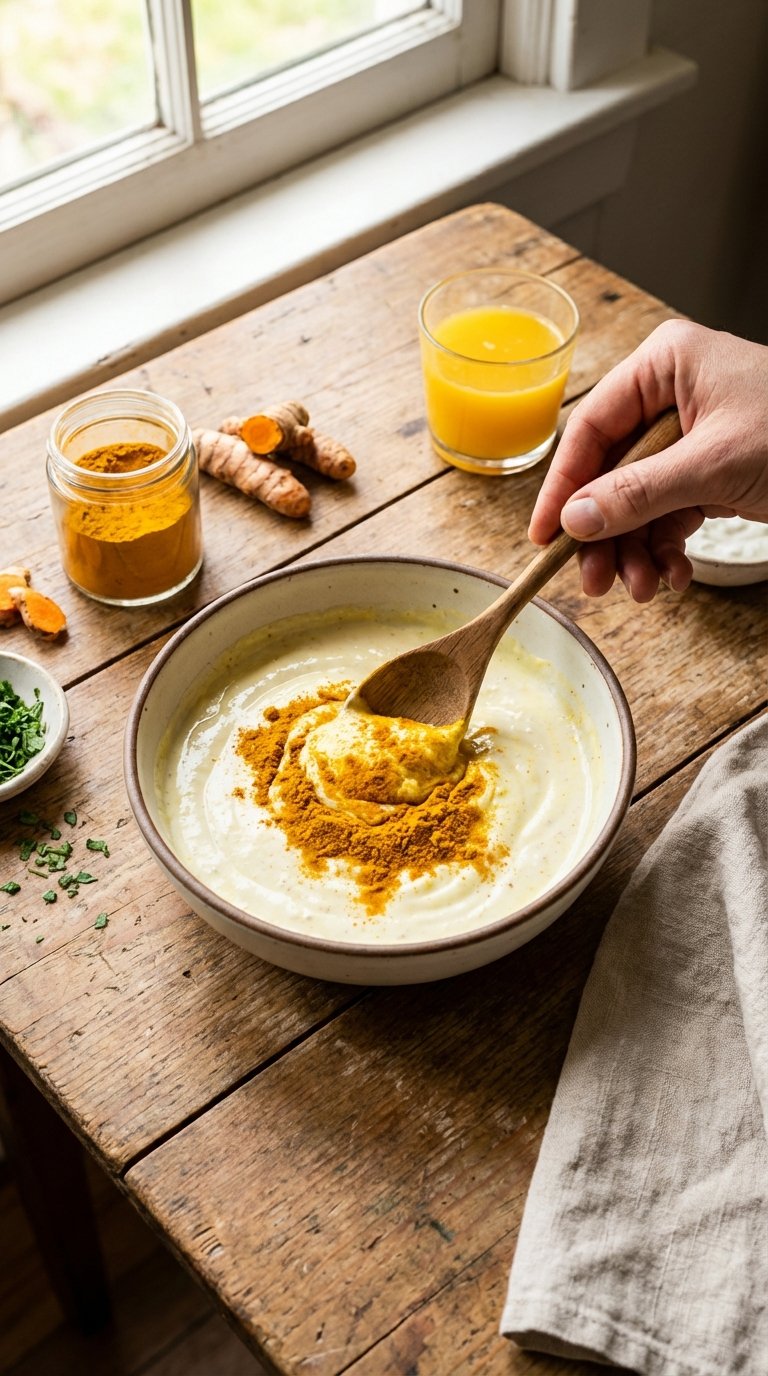
Whisking the dried spice into simple everyday sauces transforms basic meals into vibrant culinary creations in mere minutes. Busy weeknights require fast solutions that do not compromise on deep, complex flavor profiles. A simple blend of yogurt, lemon, and yellow powder instantly upgrades a plain store-bought rotisserie chicken. I often throw together a ten-minute spiced coconut rice side dish when my dinner plates look a bit uninspired. The fine powder dissolves rapidly into warm liquids, meaning you can build a robust, restaurant-quality curry base in record time.
Keeping a mental list of recipes with turmeric powder guarantees you can execute a nutritious, flavorful dinner without stress.
Practical tip: Buy your ground spices in small quantities if you only cook occasionally. The potent essential oils degrade rapidly after six months, leaving you with a dusty, flavorless powder that adds color but zero actual taste.
Delicious Baking: Exploring Sweet Recipes Using Turmeric
Incorporating small amounts of this golden spice into muffins and cakes adds a surprisingly sophisticated, earthy depth to baked goods. The subtle, peppery undertones cut through overly sweet icings and heavy refined sugars beautifully. A classic lemon loaf cake takes on an incredibly brilliant, sunny hue with just half a teaspoon mixed into the dry flour. My kids initially hesitated when they saw a bright yellow loaf cooling on the counter, but they quickly devoured every crumb. It pairs exceptionally well with warm baking spices like cinnamon, cardamom, and freshly grated nutmeg.
Experimenting with creative recipes using turmeric in your baking repertoire proves that this ingredient reaches far beyond savory dinners.

Practical tip: Sift the vibrant powder thoroughly with your flour and baking soda before adding wet ingredients. This prevents concentrated, bitter pockets of unmixed spice from hiding inside your otherwise perfectly baked delicate cakes.
Golden Milk Chicken Soup
Prep Time: 15 minutes
Cook Time: 35 minutes
Total Time: 50 minutes
Servings: 4
Calories: 320 per serving
Ingredients
- 1 tablespoon olive oil
- 1 medium yellow onion (diced)
- 3 cloves garlic (minced)
- 1 tablespoon fresh ginger (grated)
- 1.5 teaspoons ground turmeric
- 0.5 teaspoon black pepper (freshly cracked)
- 1 pound boneless skinless chicken thighs (cut into bite-sized pieces)
- 4 cups low-sodium chicken broth
- 1 cup full-fat coconut milk (canned)
- 2 cups fresh baby spinach
- 1 tablespoon fresh lemon juice
Instructions
- Heat the olive oil in a large heavy-bottomed pot over medium heat for 2 minutes. Add the diced onion and sauté for 5 minutes until soft and translucent.
- Stir in the minced garlic, grated ginger, ground yellow spice, and black pepper. Sauté for exactly 30 seconds to toast the spices. You’ll know it’s ready when the kitchen smells intensely fragrant and earthy.
- Add the chopped chicken thighs and cook for 5-7 minutes, stirring occasionally, until the meat is browned on all sides.
- Pour in the chicken broth, scraping up any browned bits from the bottom of the pot. Bring the soup to a gentle boil, then reduce the heat to low, cover, and simmer for 20 minutes.
- Stir in the coconut milk and fresh spinach. Simmer for 3 more minutes. You’ll know it’s ready when the spinach leaves are completely wilted and bright green.
- Remove the pot from the heat and stir in the fresh lemon juice just before serving.
Nutrition Facts (per serving)
Calories: 320 | Protein: 24g | Carbs: 8g | Fat: 21g | Fiber: 2g | Sugar: 3g | Sodium: 410mg
Storage
Let the soup cool completely before transferring it to airtight glass containers. It lasts for up to 4 days in the refrigerator. Reheat gently on the stovetop over medium-low heat until simmering to prevent the coconut milk from separating.
Recipe Notes
- Substitute firm tofu for the chicken to create a satisfying vegan option. Use vegetable broth instead of chicken broth.
- You can easily make this meal ahead of time. The flavors actually deepen and improve after sitting in the fridge overnight.
- To double the recipe, use a large Dutch oven and increase the simmering time by 10 minutes to ensure the larger batch heats evenly.
Frequently Asked Questions About the Golden Spice
Navigating the nuances of this powerful root requires understanding proper storage, substitution ratios, and effective cooking techniques. Many home cooks feel intimidated by the intense pigmentation and bold flavor profile when they first introduce it into their pantries. Questions constantly arise regarding the optimal balance between fresh rhizomes and dried powders in various delicate sauces. I have ruined quite a few specialized pans and permanently dyed my favorite wooden utensils while learning these hard lessons. Understanding how to handle the oils, prevent aggressive staining, and maximize nutrient absorption completely changes your cooking confidence. These foundational principles ensure that your meals taste properly balanced rather than overwhelmingly bitter. Mastering these essential tips makes utilizing the golden spice a seamless, highly rewarding part of your daily kitchen routine. Whether you are whipping up a quick weeknight curry or attempting a complex weekend baking project, having reliable answers prevents frustrating kitchen disasters. Review these common queries to improve your daily skills.
What are the best healthy recipes using turmeric?
The most beneficial options incorporate a healthy fat and black pepper. Try brewing a warm coconut milk tonic, roasting cauliflower florets in olive oil, or simmering a hearty red lentil stew. These methods ensure optimal nutrient absorption while delivering robust, deeply satisfying flavors to your dining table.
How much should I use in turmeric recipes dinners?
Always start with a quarter to half a teaspoon of dried powder for a standard family-sized dinner portion. You can gradually increase the amount as your palate adjusts to the earthy bitterness. Using too much will completely overpower delicate proteins and leave a chalky, unpleasant residue on your tongue.
Can I substitute powder for fresh turmeric recipes?
Yes, you can easily substitute the dried version for the fresh rhizome. The standard conversion ratio is one teaspoon of freshly grated root equals one-third teaspoon of dried powder. Keep in mind that the fresh version provides a brighter, more floral zing compared to the concentrated earthiness of the pantry staple.
Do I need black pepper when using tumeric in recipes?
Adding black pepper is absolutely crucial if you want to absorb the health benefits. Black pepper contains piperine, an alkaloid that dramatically boosts the bioavailability of curcumin in your bloodstream. Just a tiny, barely noticeable pinch is enough to activate the compounds without altering the intended flavor profile.
Will golden spices stain my kitchen cookware permanently?
Yes, the vibrant pigment will aggressively stain plastic storage containers, wooden spoons, and untreated aluminum baking sheets. Always use stainless steel or glass bowls when mixing marinades. If a stain occurs, scrub the surface with a paste made from baking soda and warm water, then leave it in direct sunlight.
What are common recipes with turmeric dishes globally?
This ingredient forms the foundational flavor base for classic Indian curries, fragrant Moroccan tagines, and traditional Middle Eastern rice pilafs. It is also frequently utilized in Southeast Asian coconut broths and classic British piccalilli. Exploring global cuisines opens up endless possibilities for incorporating this incredible ingredient into your diet.
Embracing these vibrant meals will instantly brighten your weekly dinner rotation while providing incredible nutritional support for your entire family. I encourage you to grab a jar from your pantry today and start experimenting with these bold, earthy flavors in your own cooking. Share your favorite golden creations in the comments below, and happy cooking!