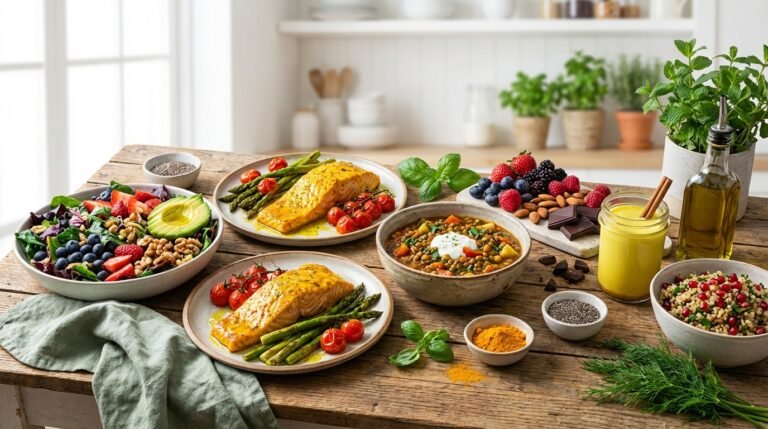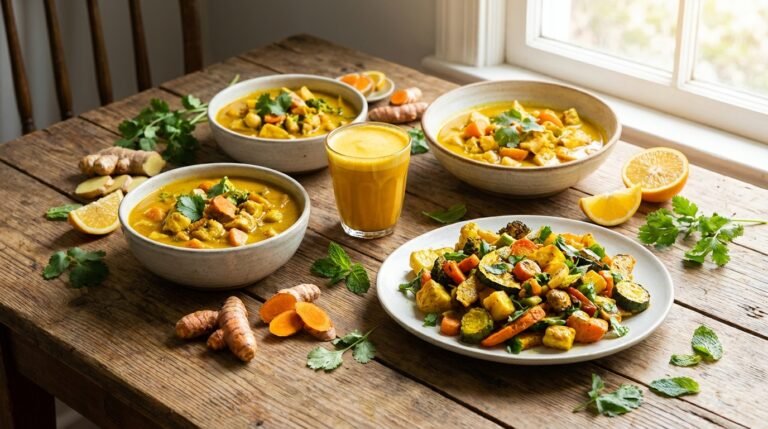
Healthy Turmeric Recipes for Anti Inflammation Meals
Cooking vibrant, healthy turmeric recipes completely transformed my family’s dinner routine. When I first started experimenting with this golden root, my kids were hesitant about the bright yellow hue on their plates. Fast forward two years, and they actively request my golden spiced chicken on busy weeknights.
I spent weeks testing different spice ratios to perfect my favorite turmeric recipes. Finding that ideal balance between earthy flavor and bitterness requires patience and the right techniques. Now, I rely on these anti-inflammatory meals to keep our immune systems strong during chilly winter months.
If you want to skip the tips, Jump to Recipe directly to start cooking right away. You can also browse our immune boosting tea guide for more cozy, warming beverage ideas.
This post may contain affiliate links. If you purchase through these links, I may earn a small commission at no extra cost to you. I only recommend products I personally use and love. See my full disclosure policy for details.
Why Cooking With This Golden Spice Is a Smart Choice
Incorporating this golden root into daily meals provides significant anti-inflammatory benefits due to its active compound, curcumin. When you make these flavorful meals, you actively support your body’s overall wellness. Research from authoritative nutrition databases shows that curcumin combats oxidative stress in the body.
Furthermore, an extensive report by Harvard Medical School confirms its potential joint-soothing properties when consumed regularly. I vividly remember my first attempt at making a golden latte; I forgot the black pepper and ended up with a beautifully yellow but functionally useless drink. You must always pair it with piperine to increase absorption by up to 2,000 percent.
The earthy, slightly peppery flavor profile adds incredible depth to savory dishes. Beyond the health perks, the brilliant color makes any dish visually stunning. Use a sturdy ceramic spice jar set to keep your ground spices fresh and protected from light.
How To Master Turmeric Recipes: Flavor Basics
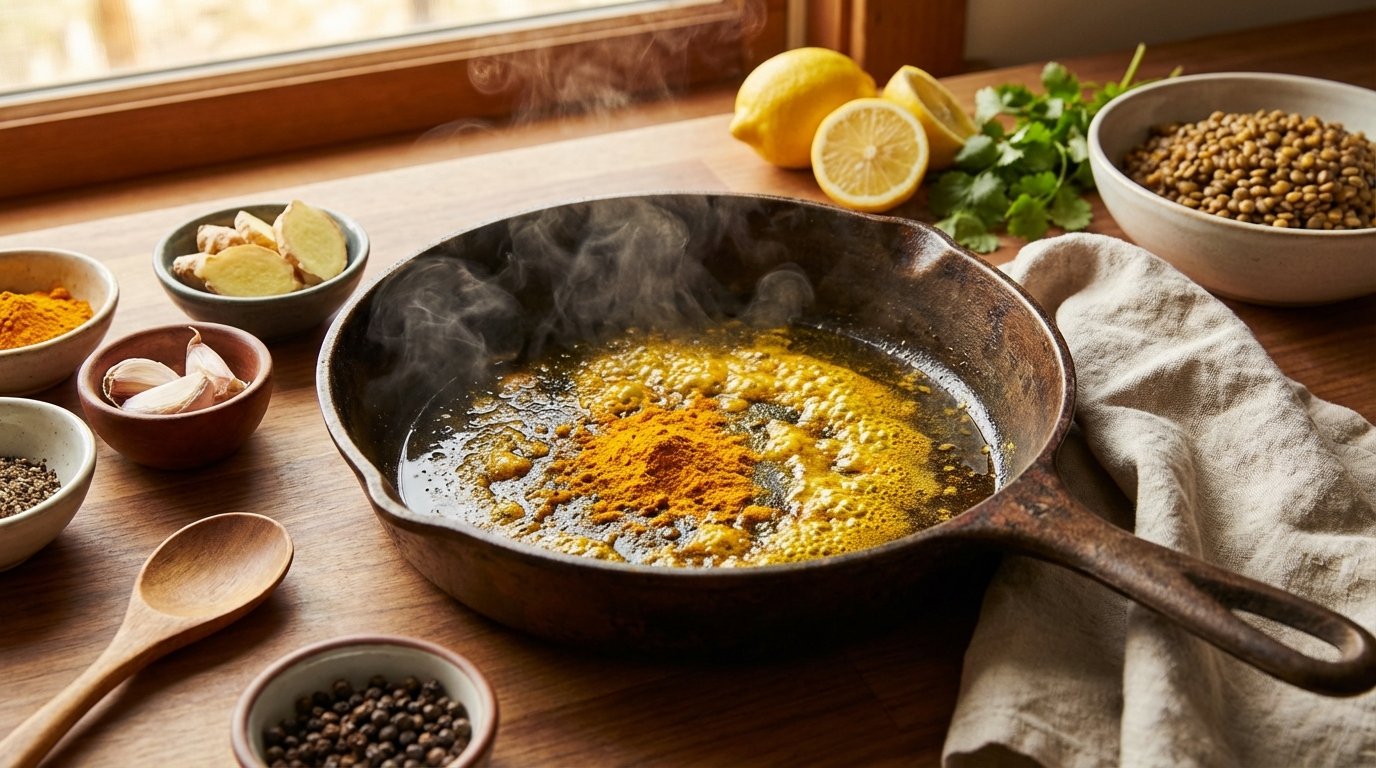
You maximize the flavor and health benefits of this spice by blooming it in warm fat before adding other ingredients. Heating the powder in olive oil or ghee releases its fat-soluble compounds. This technique is absolutely essential for creating robust, aromatic turmeric recipes at home.
Blooming removes the raw, chalky taste that often ruins beginner dishes. I learned this the hard way after ruining a huge batch of lentil soup by just dumping the raw powder into boiling broth. The resulting texture was gritty and highly disappointing.
Mastering how to use this golden dust effectively requires balancing its slight astringency with acidic or sweet elements. A splash of lemon juice or a hint of maple syrup instantly brightens the dish. Try pairing these dinners with our homemade lemon vinaigrette for extra zing.
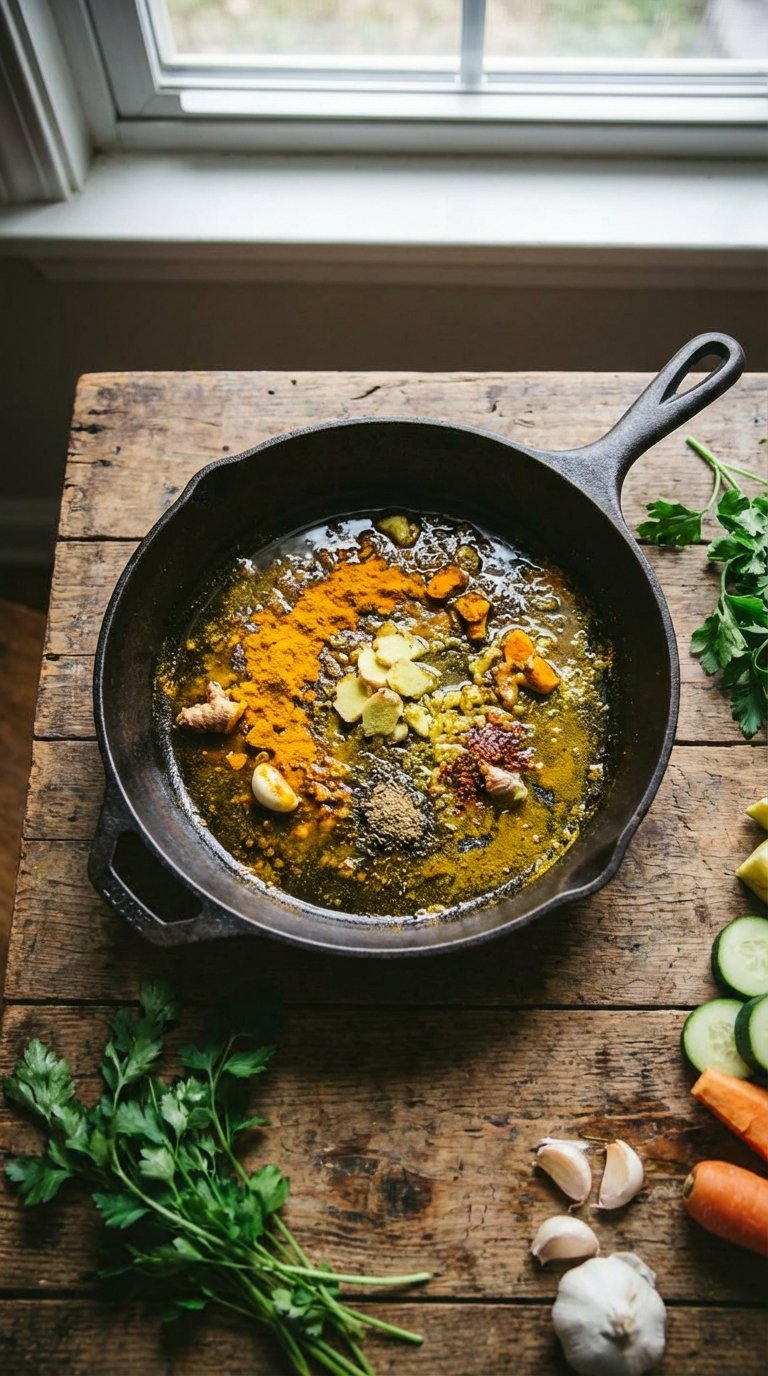
Practical tip: Heat two tablespoons of coconut oil in a skillet over medium heat, add one teaspoon of the ground spice, and stir constantly for exactly 30 seconds. Do this before adding your onions or vegetables to prevent burning the delicate compounds.
Anti Inflammation Breakfast to Start Your Day
The best morning meals feature a balance of complex carbohydrates, protein, and a warm dash of this vibrant spice. Golden oatmeal and spiced tofu scrambles provide sustained energy without the heavy mid-morning crash. Finding delicious morning options ensures you start the day perfectly nourished.
The earthy notes pair surprisingly well with sweet cinnamon and rich almond milk. The warm aroma of a simmering skillet makes waking up much easier on cold mornings. Starting your routine with anti-inflammatory dishes sets a healthy tone for the entire afternoon.
The bright yellow color visually energizes your plate, making healthy eating feel like a treat rather than a chore. Serve your morning creation in an elegant ceramic coffee mug for a beautiful presentation.
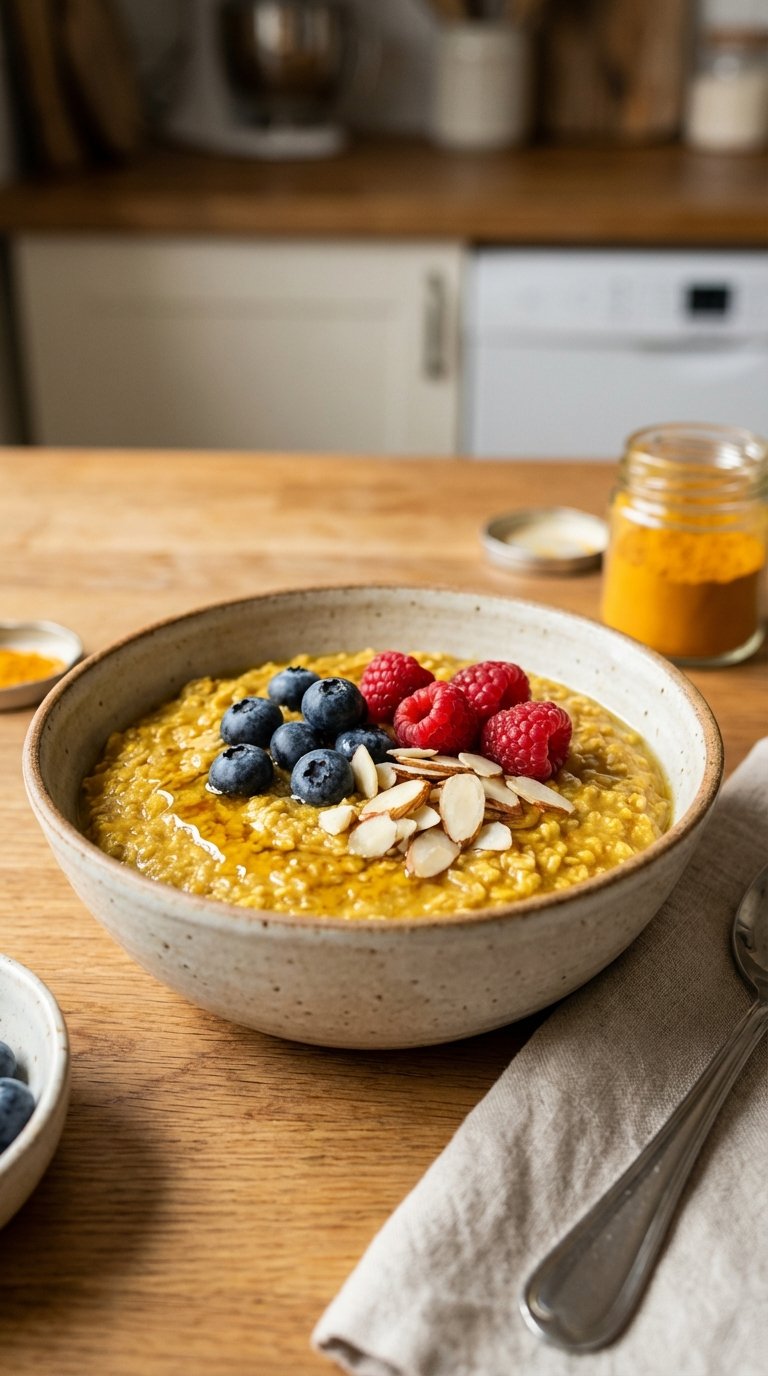
Practical tip: Whisk a quarter teaspoon of ground powder into your egg or tofu mixture before cooking. This ensures the color distributes evenly throughout the scramble, making your breakfast turmeric recipes completely foolproof.
Nourishing Golden Meals with Ginger
Combining these two rhizomes creates a potent, warming flavor profile that deeply enhances broths, teas, and marinades. The sharp, zesty bite of fresh ginger perfectly cuts through the earthy, grounded notes of its golden cousin. Incorporating ginger into your meals maximizes the soothing properties beautifully.
I constantly brew this pairing during November when cold weather starts creeping into the house. It warms you from the inside out and provides immense comfort. Exploring these robust flavor combinations opens up endless possibilities for winter cooking.
The aroma alone can clear your sinuses wonderfully. Meanwhile, the rich flavors make simple vegetable soups taste like they simmered for days. Try serving this alongside our crusty sourdough bread for dipping.
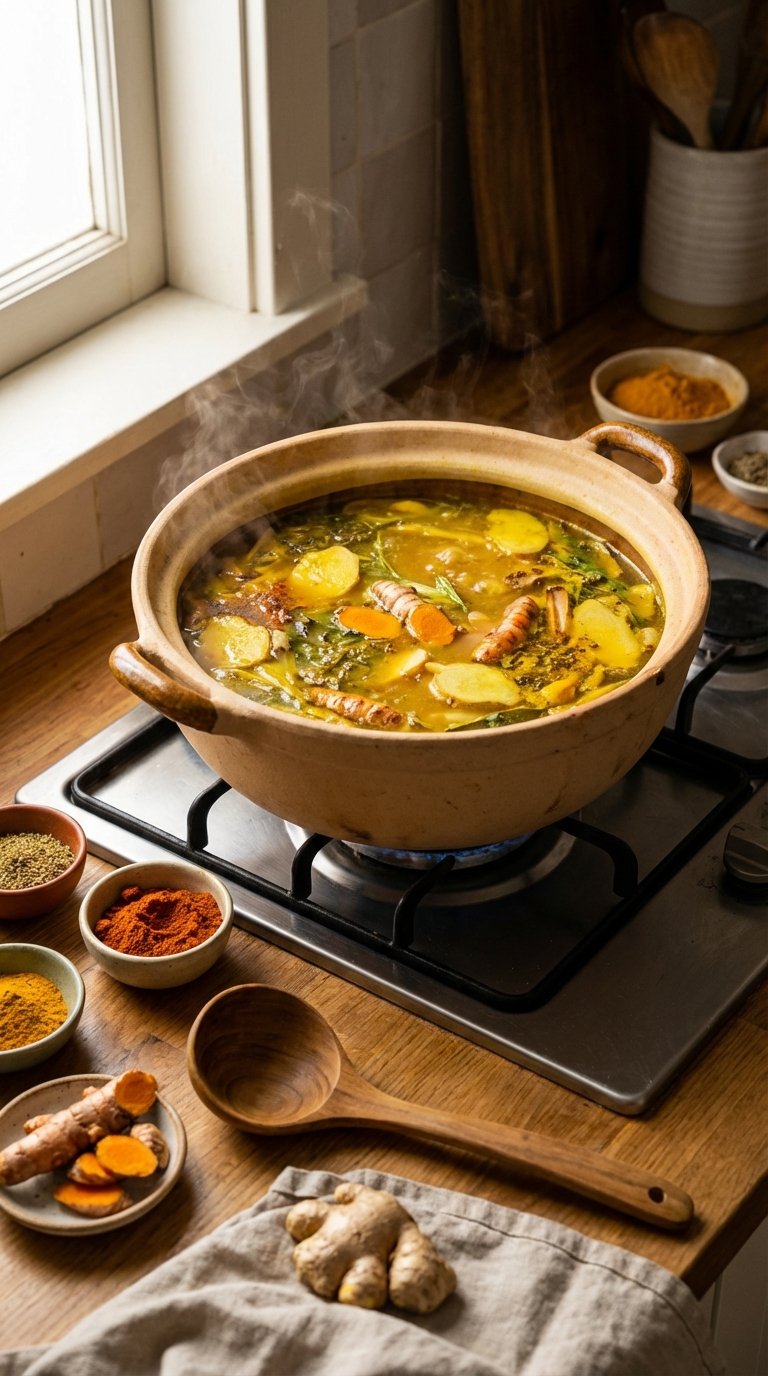
Practical tip: Grate equal parts of both fresh roots using a fine microplane to create a powerful flavor paste. Store this freshly grated mixture in a small glass container in the refrigerator for up to five days.
Healthy Dinner Ideas Featuring the Golden Root
Roasting vegetables and proteins with this vibrant spice yields a beautifully caramelized crust and deeply savory flavor. Chicken thighs, chickpeas, and cauliflower absorb the seasoning perfectly. Using this spice transforms basic ingredients into a spectacular main course.
The high heat of the oven mellows the spice’s sharpness gently. It leaves behind a subtle, warm essence that coats every single bite perfectly. Creating wholesome turmeric recipes requires minimal effort when you rely on this powerful ingredient.
The rich color makes your dinner table look like a feast, even on a random Tuesday night. Serve these meals on a stainless steel round dinner plate for an elegant touch.

Practical tip: Toss your vegetables with avocado oil, salt, black pepper, and half a teaspoon of the golden powder before roasting at 400°F. The fat from the oil ensures the spices cling to the food and cook evenly without burning.
Quick and Easy Fresh Root Dishes
Using the fresh root instead of the dried powder delivers a brighter, slightly floral taste with a much crisper bite. Slicing it into thin matchsticks for stir-fries adds an unmatched, zippy freshness. Incorporating the raw version provides a wonderful texture contrast to hot dishes.
The fresh version contains moisture, meaning it integrates smoothly into wet marinades. It works wonderfully in dressings without turning gritty. Cooking fresh turmeric recipes demands a bit of prep work but rewards you immensely.
The vibrant orange flesh stains fingers quickly during preparation. However, the brilliant, snappy taste makes crafting these vibrant meals absolutely worth the temporary yellow fingertips.
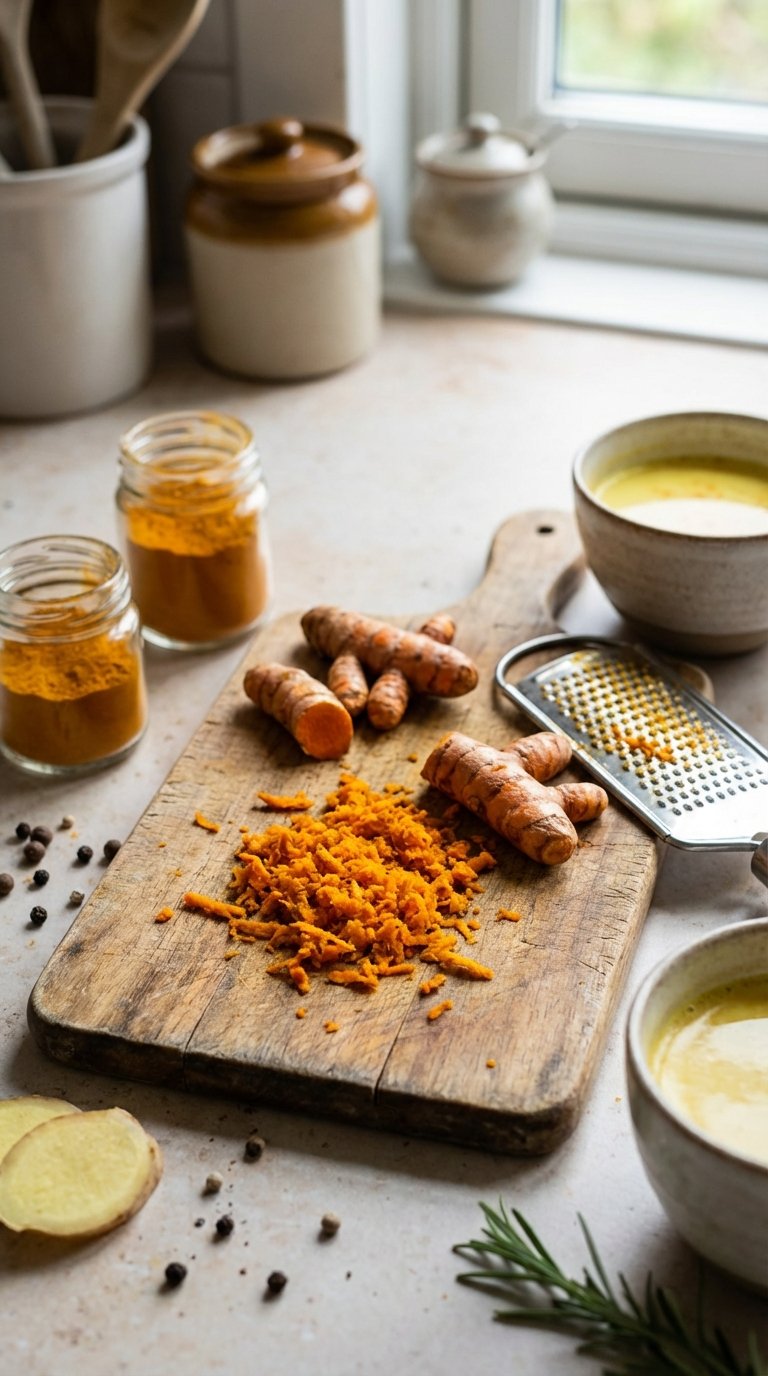
Practical tip: Always wear thin kitchen gloves when peeling and grating the fresh root. Use the back of a small metal spoon to easily scrape away the thin, papery skin without losing the flesh underneath.
Delicious Mediterranean Diet Dishes with a Twist
Integrating this earthy seasoning into Mediterranean staples like hummus, roasted eggplant, and grain bowls creates a striking fusion of flavors. The spice marries beautifully with extra virgin olive oil, garlic, and fresh lemon juice. These Mediterranean-inspired turmeric recipes elevate traditional regional dishes effortlessly.
I regularly sprinkle it over my Greek salads for extra flavor and nutrition. It adds an unexpected warmth that contrasts nicely with crisp cucumbers and feta cheese. Enjoying a plant-forward diet becomes much more exciting when you introduce bold spices.
The bright color visually upgrades simple chickpea salads and baked fish beautifully. It makes simple meals look completely gourmet on your dinner table.
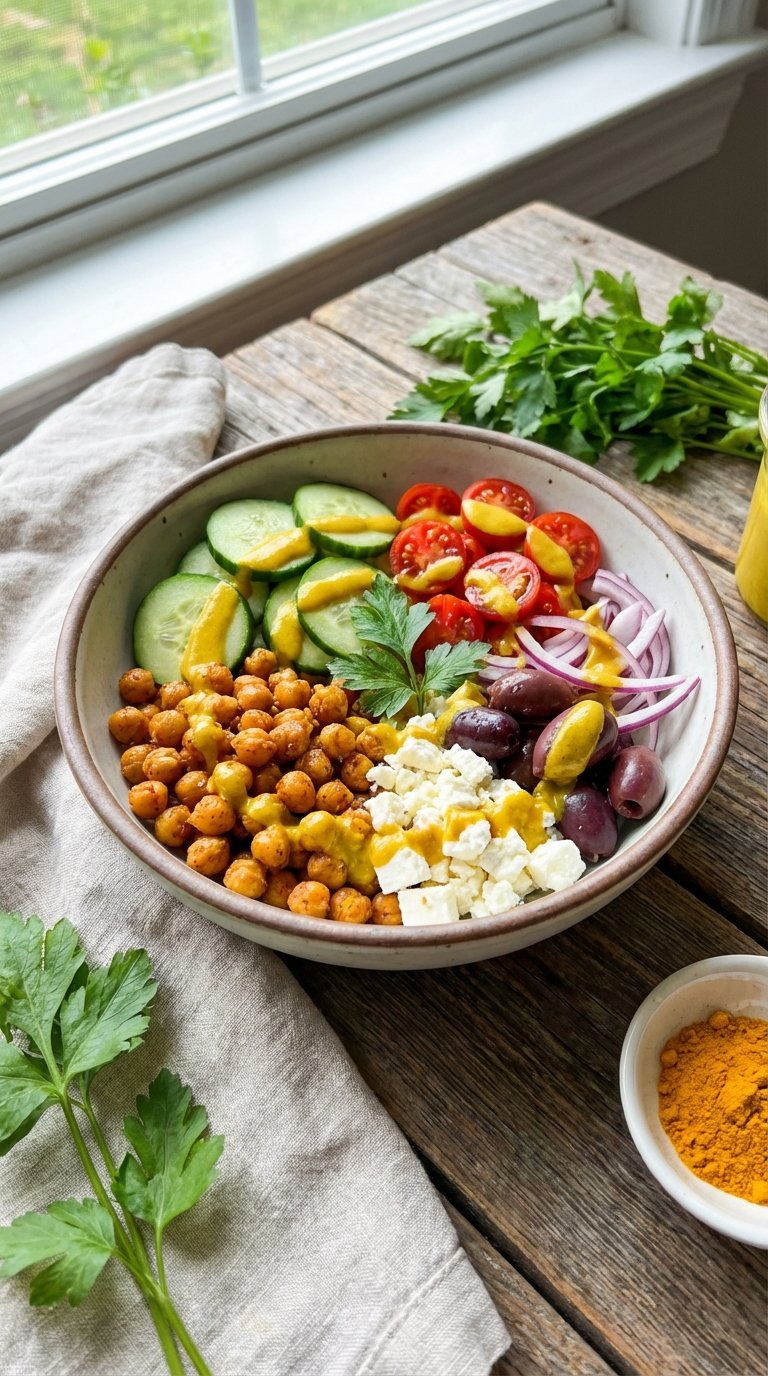
Practical tip: Whisk half a teaspoon of the powder into your classic lemon vinaigrette, along with a pinch of black pepper. Let this mixture sit for at least ten minutes before serving so the dry spice can fully hydrate.
High Fiber Meals Rooted in Clean Eating
Combining fibrous legumes and whole grains with warm spices ensures your digestive system stays active while delivering massive flavor. Lentil stews, quinoa salads, and roasted root vegetables provide necessary bulk. Making plant-based turmeric recipes keeps you full and satisfied for hours.
The deep yellow seasoning adds a savory meatiness to plant-based dishes naturally. It satisfies cravings without relying on heavy creams or processed additives. Preparing high-fiber meals guarantees you meet your nutritional goals easily.
The earthy aroma that fills the kitchen proves that wholesome cooking never has to be bland. These nutrient-dense options are deeply comforting and entirely clean.
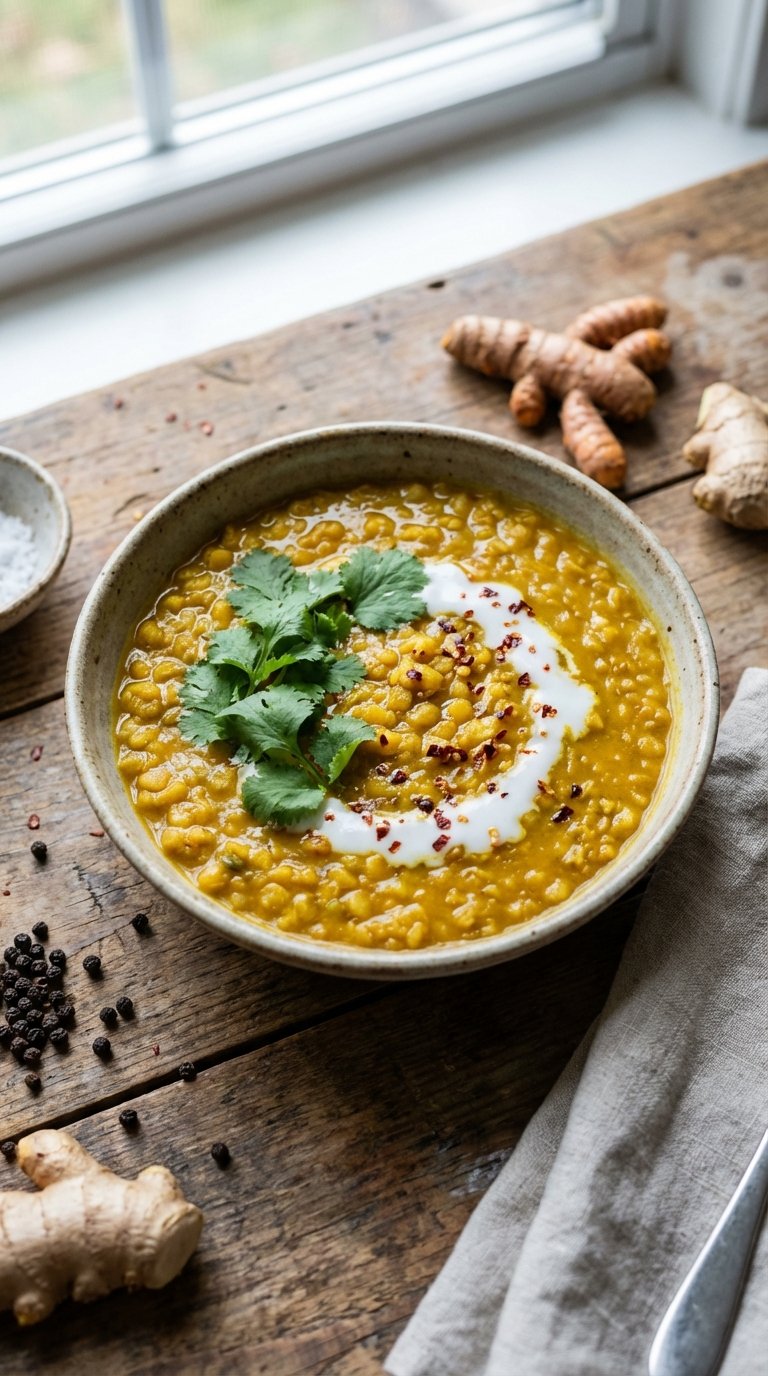
Practical tip: Stir one teaspoon of the ground spice into the boiling water when cooking quinoa or brown rice. The grains will absorb the beautiful color and subtle earthy flavor as they expand.
Creamy Tahini Dressings and Golden Sauces
Blending roasted sesame paste with warm spices produces an incredibly rich, nutty sauce perfect for drizzling over hearty vegetables. The slight bitterness of the tahini perfectly complements the peppery, earthy notes. I originally created these dressing-based turmeric recipes for a simple massaged kale salad.
My family quickly began dipping everything from roasted carrots to grilled chicken into it. Whipping up these creamy condiments takes under five minutes to complete. They dramatically transform the taste of an ordinary weekday lunch.
The creamy texture mimics dairy-heavy sauces while remaining completely plant-based and wholesome. Store your homemade sauces in a glass jar for easy access.
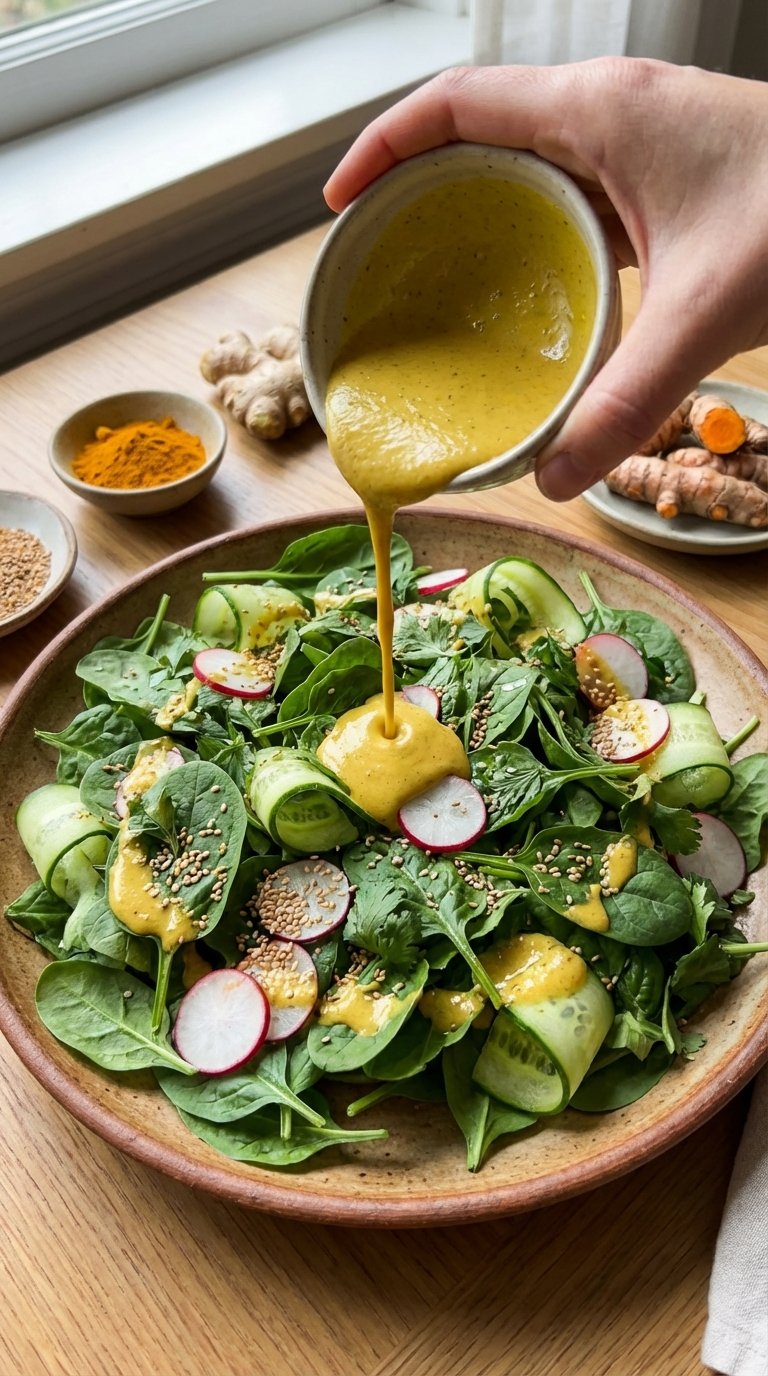
Practical tip: Mix two tablespoons of tahini, one tablespoon of lemon juice, half a teaspoon of the golden spice, and two tablespoons of warm water. Whisk vigorously until the mixture seizes and then relaxes into a smooth, pourable dressing.
Cozy Golden Dinner Ideas and Healing Soups
Simmering this potent ingredient in coconut milk broths yields incredibly soothing, velvety soups. They provide instant comfort on chilly, rainy evenings. The fat in the coconut milk extracts the maximum health benefits from your liquid turmeric recipes.
This combination creates a luxurious, silky mouthfeel that everyone loves. Whenever someone in my house feels a cold coming on, I immediately start a batch of my signature golden chicken soup. These soothing meals deliver a powerful dose of warmth.
The golden hue makes the broth look like liquid sunshine in a bowl. Serve your healing soups in a beautiful large capacity ceramic soup bowl.
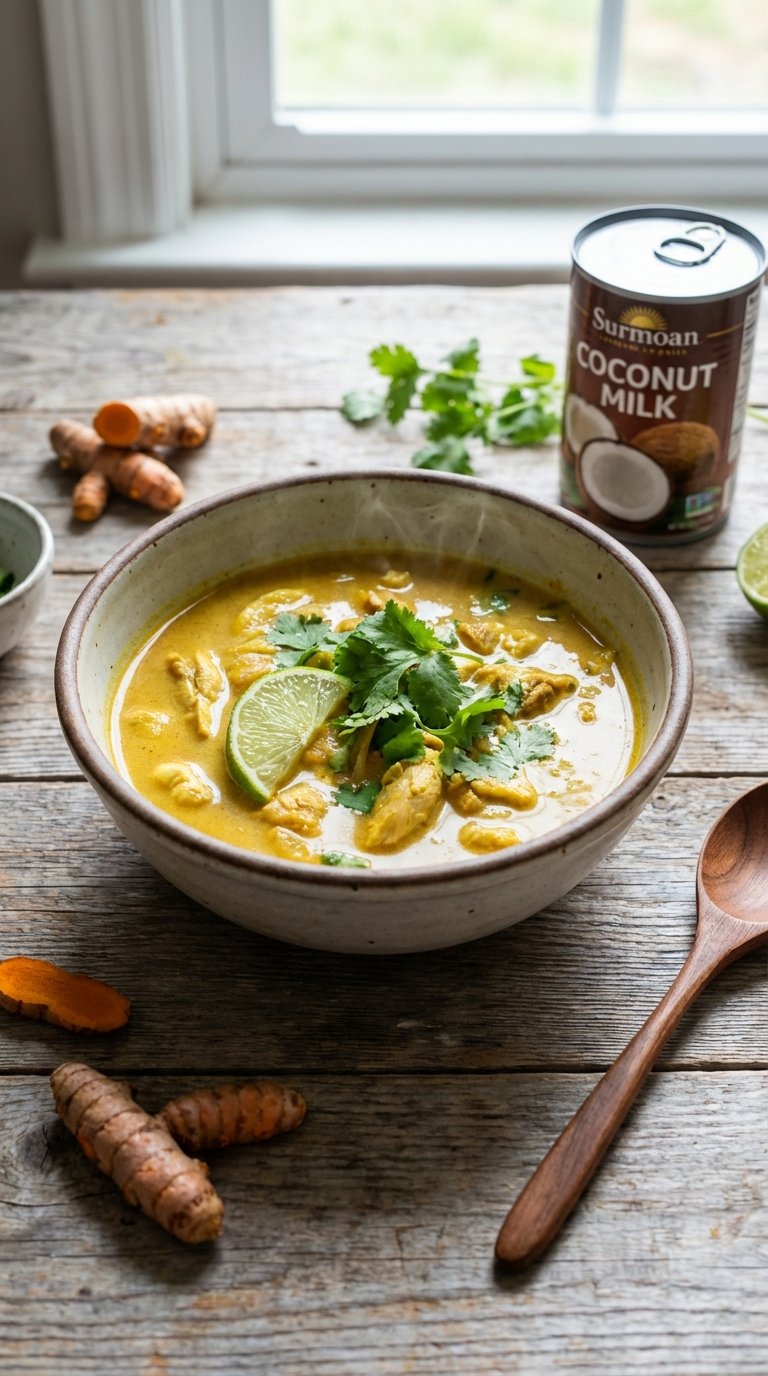
Practical tip: Sauté your minced garlic, diced onions, and the ground spice in olive oil for exactly two minutes before pouring in your stock. This vital step prevents the soup from tasting like raw, dusty powder.
Spicy Uses for Snacks and Appetizers
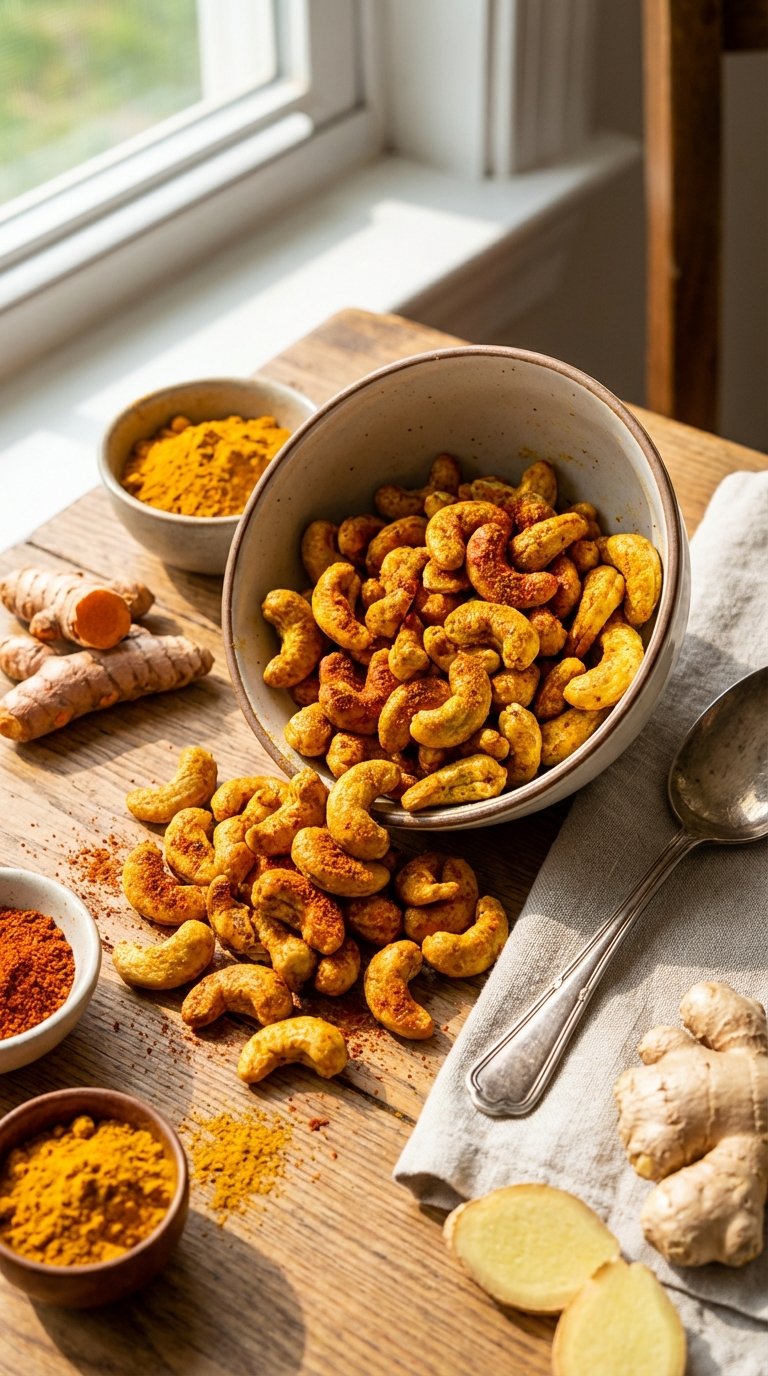
Coating roasted nuts, seeds, and popcorn with this vibrant seasoning creates highly addictive, savory snacks that pack a nutritional punch. The earthy dust clings beautifully to slightly oiled surfaces. Adding a kick to your snackable turmeric recipes delivers a burst of flavor with every single crunch.
I love keeping a jar of spiced cashews on my kitchen counter for a quick afternoon energy boost. Discovering these easy snack ideas completely redefines how you approach mid-day grazing.
The combination of heat from cayenne pepper and the warmth of the golden root is incredible. It creates a tantalizing depth that ordinary salt simply cannot match.
Practical tip: Toss three cups of plain popcorn with one tablespoon of melted butter, a quarter teaspoon of the yellow spice, a pinch of sea salt, and a dash of paprika. Shake vigorously in a large paper bag to evenly coat every kernel.
Essential Turmeric Recipes for Weekly Meal Prep
Marinating proteins and pre-cooking spiced grains on Sundays ensures you have vibrant, flavorful building blocks for quick weekday lunches. The seasoning acts as a natural preservative while intensifying in flavor over time. Meal-prepping your dishes helps them taste even better as they sit in the refrigerator.
I always prepare a large batch of golden roasted sweet potatoes to toss into random salads throughout the busy workweek. Relying on these reliable building blocks makes staying on track with your nutrition incredibly simple.
The bright colors stay beautifully preserved in your glass containers perfectly. This makes your prepped meals look appetizing rather than sad and wilted.
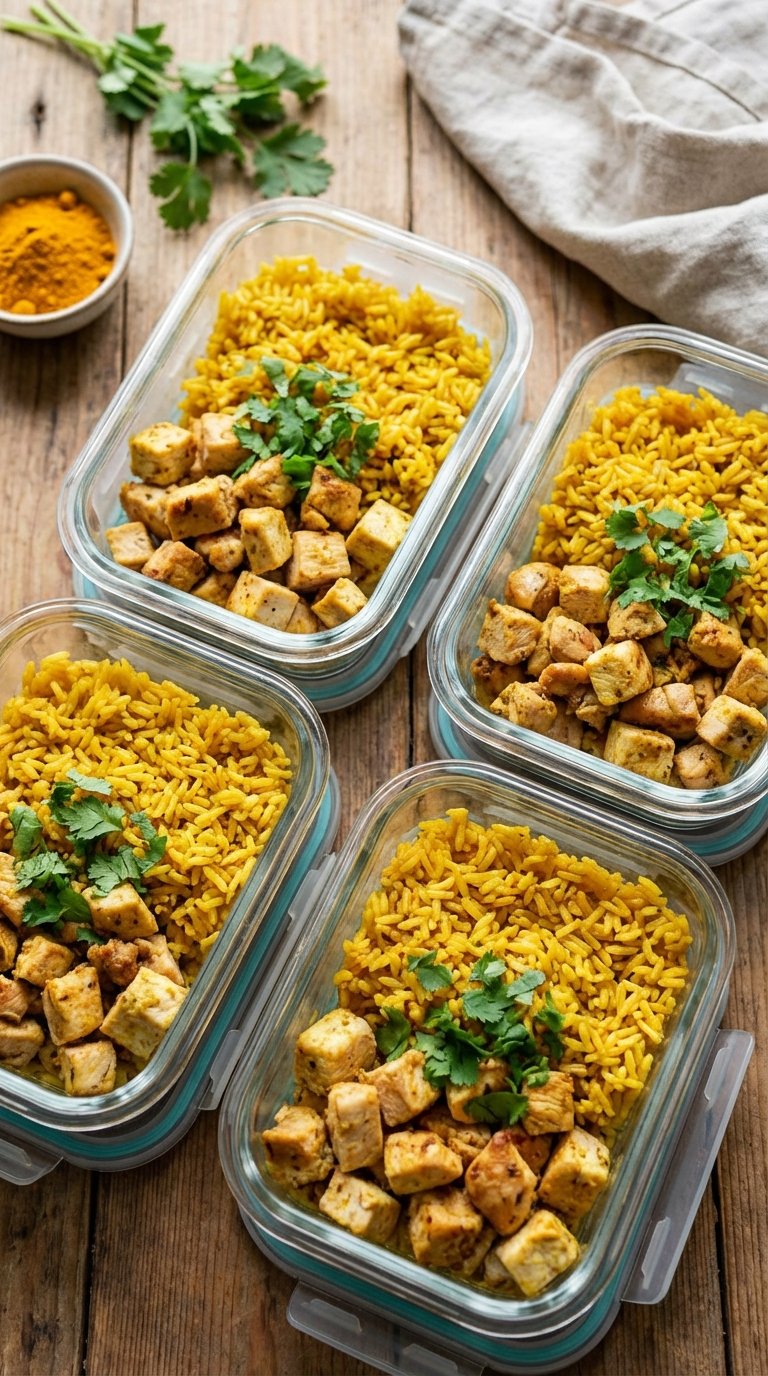
Practical tip: Create a master spice rub using two tablespoons of the golden powder, one tablespoon of garlic powder, and one teaspoon of black pepper. Store this blend in an airtight container to instantly season proteins during Sunday prep.
Healthy Dishes Using the Powder Daily
Sneaking this potent ingredient into everyday meals requires nothing more than a quick sprinkle into your scrambled eggs, rice, or smoothies. The mild, earthy flavor blends seamlessly into strongly flavored foods. It boosts nutrition without overpowering the original taste of your meals.
I successfully hid half a teaspoon in my kids’ macaroni and cheese last week. They only noticed the slightly brighter yellow color and ate it happily. Mastering daily turmeric recipes allows you to reap the incredible anti-inflammatory benefits consistently.
The subtle additions accumulate over time for excellent health support. You can enjoy the wellness benefits without cooking a complex curry every single night.
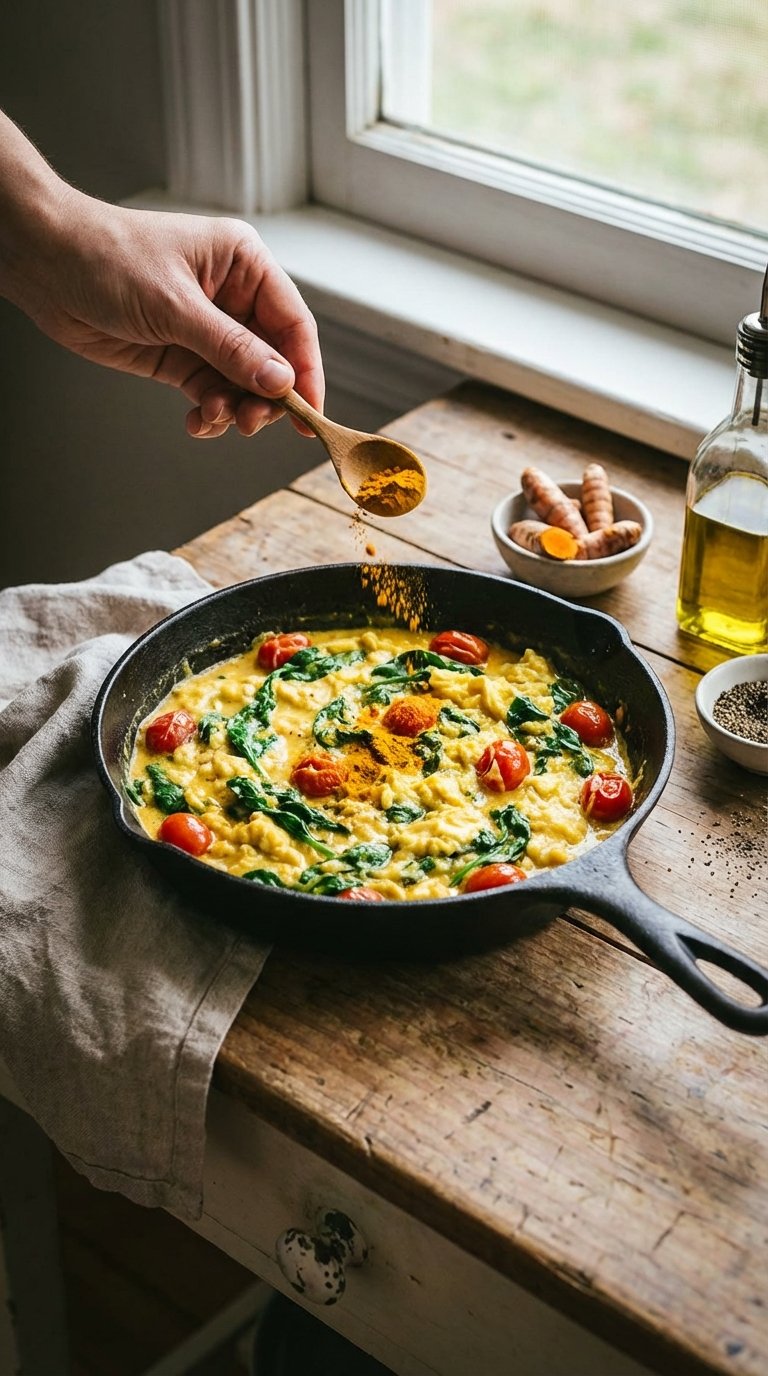
Practical tip: Keep a small shaker filled with a mixture of the golden spice and finely ground black pepper right next to your stove. Treat it exactly like salt, adding a tiny dash to sautéed greens or boiling pasta water effortlessly.
Frequently Asked Questions About Cooking with Turmeric
Answering common questions helps you master this vibrant ingredient and cook with absolute confidence in your home kitchen. Many home cooks feel intimidated by the bright color and earthy flavor. They worry they might ruin a meal when attempting new dishes.
I spent years testing various methods, making plenty of mistakes along the way. I wanted to figure out exactly how this ingredient behaves under different cooking conditions. Understanding the science ensures you extract maximum health benefits from all your turmeric recipes.
Whether you are curious about substituting the fresh root or wondering about the mandatory addition of black pepper, proper knowledge transforms your culinary approach. Review the detailed questions below to troubleshoot common issues and refine your daily cooking techniques.
Does heating destroy the benefits in my turmeric recipes?
Heating the spice for short periods actually increases the bioavailability of its active compounds by releasing them from the plant matrix. However, boiling it aggressively for over thirty minutes can degrade the delicate curcumin. Always add it toward the middle of your cooking process to protect the nutrients. Specifically, sautéing it in warm oil for a few minutes maximizes both the flavor and the nutritional retention.
How much should I consume daily for optimal health?
Most health experts recommend consuming between half a teaspoon and one full teaspoon of the ground powder daily. This moderate amount provides sufficient curcumin without upsetting your stomach or dominating the flavor profile. Always consult your doctor before taking highly concentrated supplements. However, incorporating this natural spice into regular culinary dishes remains incredibly safe for daily dietary use.
Can I substitute ground for fresh root in my cooking?
You can easily substitute the dried powder for the fresh root by using a simple one-to-three ratio. One teaspoon of the dried powder equals exactly one tablespoon of freshly grated root. The fresh version provides a brighter, zippier flavor for your raw salads and smoothies. Meanwhile, the dried form offers a concentrated, earthy depth that works beautifully in cooked stews.
Why do you need black pepper with the golden spice?
Black pepper contains an active compound called piperine, which prevents your liver from immediately breaking down the curcumin. Combining these two ingredients increases your body’s ability to absorb the beneficial compounds by a staggering 2,000 percent. You only need a tiny pinch of pepper to activate this effect. The sharp bite perfectly balances the earthy, grounded flavor of the yellow root.
Will cooking these vibrant meals stain my pots permanently?
This potent spice will quickly stain plastic containers, wooden spoons, and porous countertops. Fortunately, it rarely causes permanent damage to stainless steel or ceramic cookware. If you accidentally stain your kitchen tools, create a thick paste using baking soda and warm water. Scrub the affected area vigorously and let it sit in direct sunlight for an hour to bleach the yellow pigments naturally.
Are golden spiced meals safe to eat during pregnancy?
While consuming moderate amounts of this spice in standard culinary dishes is generally considered safe, highly concentrated therapeutic doses or supplements are not recommended during pregnancy. Using small amounts to flavor your dinners poses little to no risk. As always, please consult your healthcare provider or a certified nutritionist if you have specific dietary concerns regarding your daily intake.
Golden Spiced Chicken with Rice
Prep Time: 15 minutes
Cook Time: 25 minutes
Total Time: 40 minutes
Servings: 4
Calories: 420 per serving
Ingredients
- 1 tablespoon olive oil (for cooking)
- 4 medium chicken thighs (boneless and skinless)
- 1 teaspoon ground turmeric (ensure it is fresh)
- 0.5 teaspoon black pepper (freshly cracked)
- 1 cup basmati rice (rinsed thoroughly)
- 2 cups chicken broth (low sodium)
Instructions
- Heat the olive oil in a large skillet over medium heat for exactly 2 minutes until shimmering.
- Rub the chicken thighs evenly with the ground spice and black pepper, then place them in the skillet.
- Sear the meat for 5 minutes per side. You’ll know it’s ready when a deep golden-brown crust forms.
- Pour in the rinsed basmati rice and chicken broth, bringing the liquid to a gentle simmer.
- Cover the skillet, reduce the heat to low, and cook for 15 minutes. You’ll know it’s ready when the rice absorbs all the liquid and becomes fluffy.
Nutrition Facts (per serving)
Calories: 420 | Protein: 28g | Carbs: 35g | Fat: 18g | Fiber: 2g | Sugar: 1g | Sodium: 380mg
Storage
Store the cooled chicken and rice in airtight glass containers in the refrigerator for up to 4 days. Reheat gently in the microwave for 2 minutes with a splash of water to prevent the rice from drying out.
Recipe Notes
- Substitute the chicken thighs with firm tofu or chickpeas for a completely plant-based alternative.
- You can meal-prep this dish on Sunday for quick grab-and-go lunches throughout the workweek.
- Double the rice and broth measurements if you want to scale this recipe to feed a larger family of eight.
Embracing these vibrant turmeric recipes will completely transform your weekly meal rotation while fighting inflammation naturally. I encourage you to start small by adding a pinch of this golden spice to your morning eggs or roasting vegetables tonight. Share your favorite golden creations in the comments below, and let me know how these flavors brighten up your family dinners!