13 Best Fresh Turmeric Recipes for AntIinflammatory Meals
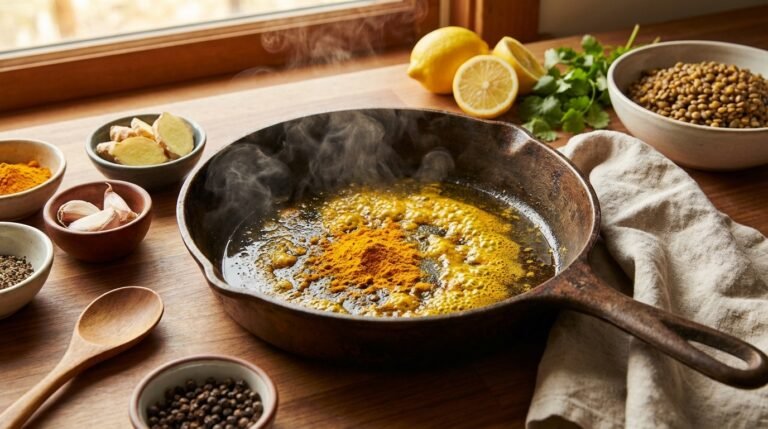
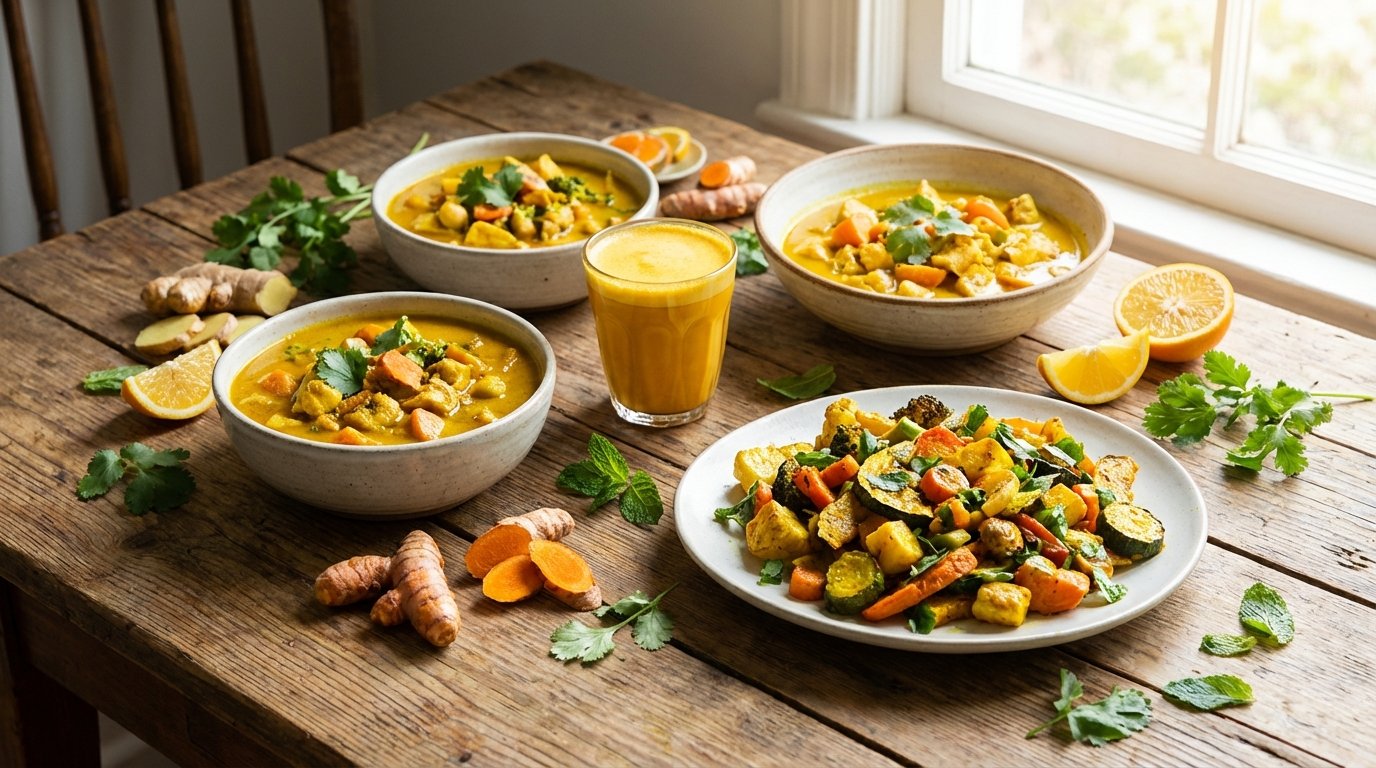
Golden root adds an incredible earthy, slightly peppery flavor to meals that powder simply cannot replicate. Exploring fresh turmeric recipes brings vibrant color and robust health benefits right to your kitchen table. I still remember the first time I decided to grate the raw rhizome for a curry. My fingers were stained neon yellow for three days because I skipped wearing gloves! Over the past four years of testing hundreds of batches of golden milk and roasted vegetable bowls, I finally mastered the art of handling this potent ingredient without turning my entire kitchen orange. I promise you can easily incorporate this bright root into your daily routine. Jump to Recipe below for my staple golden paste.
Why Cook With the Fresh Root Over Powder?
Cooking with the raw rhizome provides a brighter, more complex flavor profile and retains higher levels of volatile oils than the dried spice. When you slice into the vibrant orange flesh, it immediately releases a sharp, gingery aroma that completely changes the dynamic of your home cooking. Dried versions often taste unpleasantly flat or chalky if they sit in your pantry for months. Using the actual firm root guarantees maximum culinary potency for your dishes.
According to USDA FoodData Central, the raw form contains essential moisture and volatile organic compounds that are heavily lost during the commercial dehydration process. I strictly use the firm, unpeeled roots to prepare Fresh Turmeric Recipes because the potent natural oils infuse beautifully into simmering broths and hot skillets.
Practical tip: Always select raw rhizomes that feel heavy and snap easily when bent forcefully. Avoid purchasing pieces with visibly shriveled skins or damp, soft spots.
How To Use Turmeric In Recipes Properly
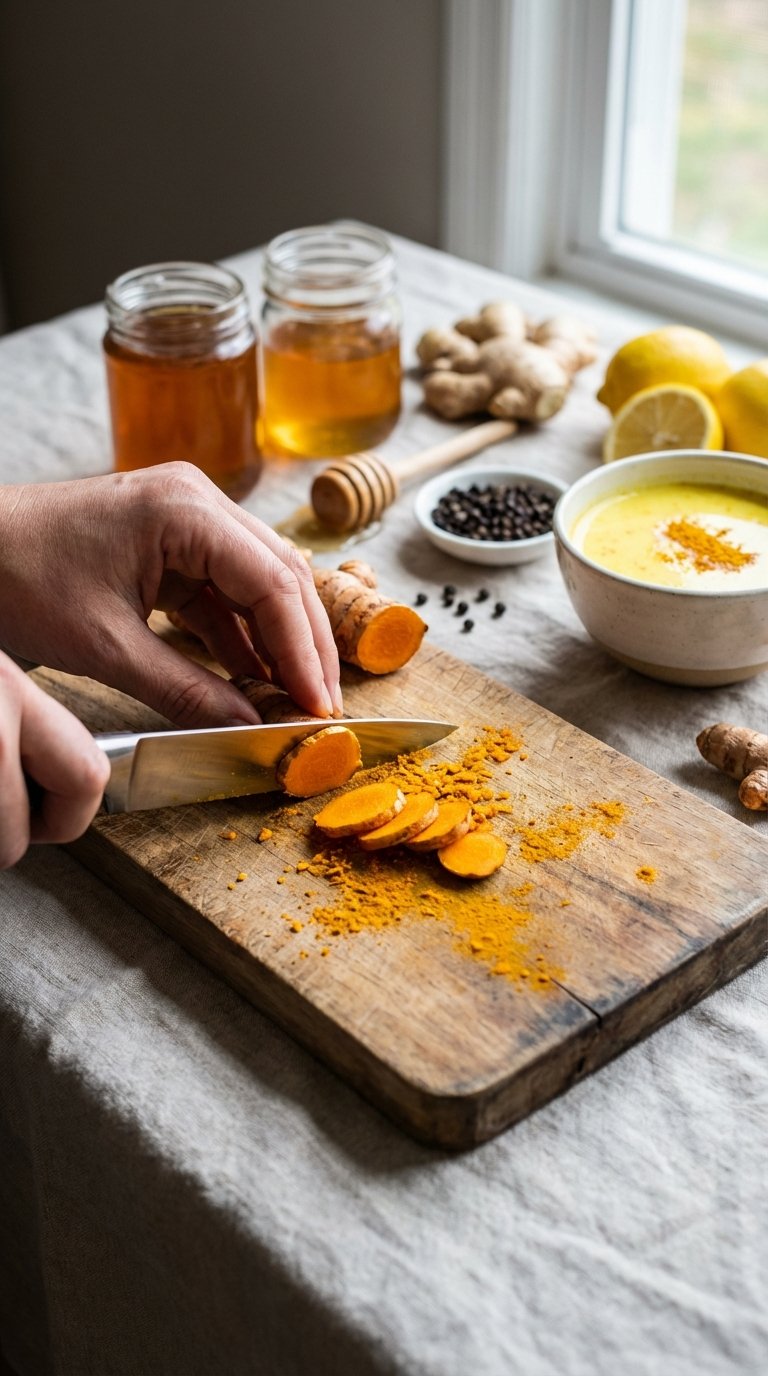
You should grate, mince, or thinly slice the raw root just before adding it to your hot oil or simmering liquids. The active compounds need gentle heat and a fat source to release their full potential into your food. Sautéing the minced pieces in coconut oil or ghee for two minutes mellows the bitter notes and deepens the earthy taste. I ruined a beautiful batch of rice once by tossing whole chunks in at the end; the flavor was overwhelmingly sharp and highly uneven.
Now, I always use a microplane to create a fine paste first before cooking. If you prepare How To Use Turmeric In Recipes frequently, investing in a Thick Bamboo Wood Cutting Board actively helps minimize permanent yellow staining on your countertops.
Practical tip: Coat your fingers lightly in olive oil before handling the raw pieces to create a natural barrier against the stubborn yellow pigment.
Nourishing Antiinflammatory Breakfasts to Start Your Day
Incorporating grated rhizomes into morning meals like tofu scrambles or warm oats kickstarts your digestion with powerful antioxidants. Morning is the ideal time to consume these spiced dishes. My family absolutely loves golden overnight oats mixed with chia seeds, almond milk, and half a teaspoon of freshly microplaned root. The vibrant yellow color makes the bowl visually appealing, while the mild pepperiness pairs surprisingly well with sweet organic maple syrup. You can also blend a small knob directly into a tropical mango smoothie.
The bright, acidic citrus from the fruit completely masks any bitter undertones naturally present in the root. I tested five different smoothie variations before mastering these Antiinflammatory Breakfasts, realizing that adding a pinch of black pepper is essential for absorption.
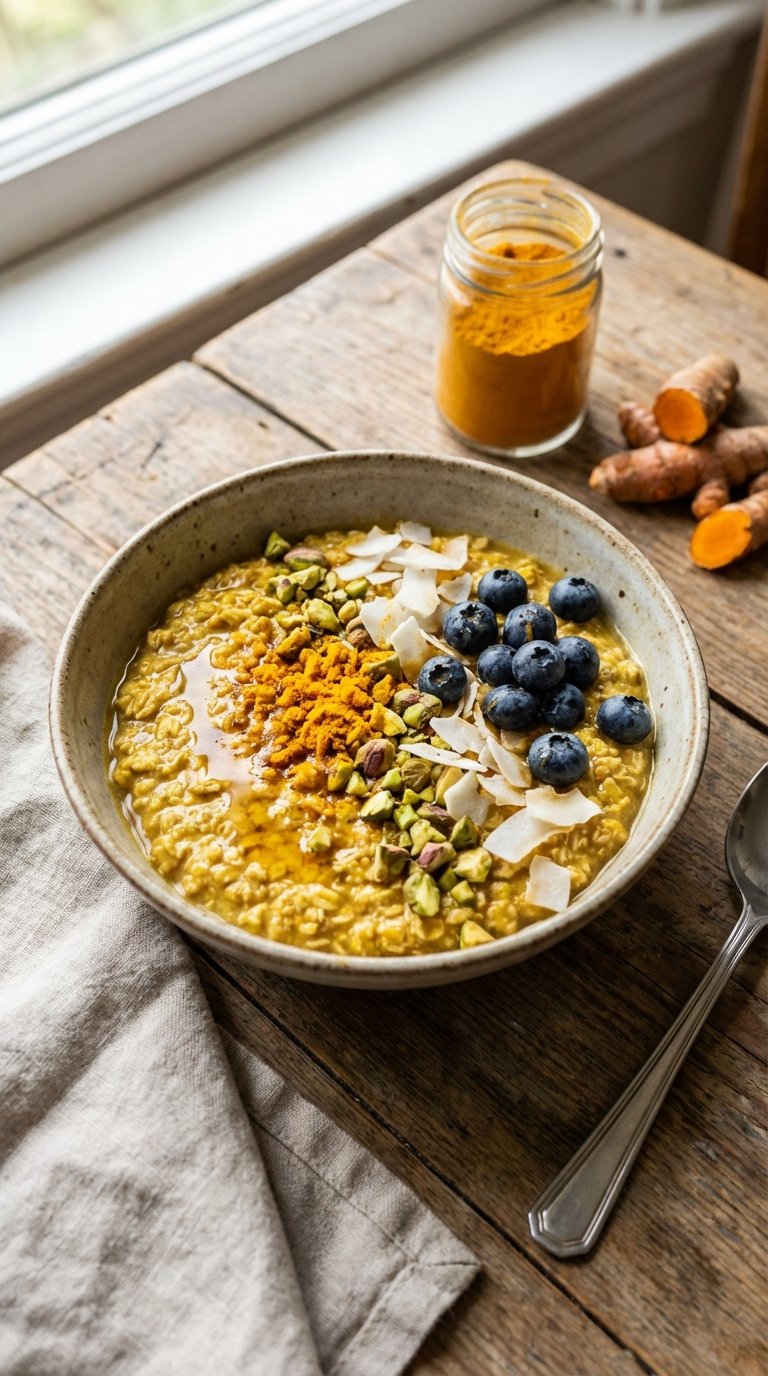
Practical tip: Pair your morning spiced meals with a rich source of healthy fats, like chopped walnuts or flaxseed, to maximize nutrient bioavailability throughout your busy day.
Healing Turmeric And Ginger Recipes for Wellness
Combining these two potent sister roots creates a synergistic effect that aggressively combats systemic inflammation and soothes upset stomachs. The fiery bite of ginger perfectly balances the earthy depth of the golden rhizome. Together, they form the ultimate base for immunity-boosting tonics. I brew a powerful concentrated tea by simmering equal parts of both roots for twenty minutes. It became my absolute savior during last year’s brutal winter cold season. When you grate them together, the volatile oils merge to create an incredibly fragrant paste.
You can easily keep this blended aromatic paste stored securely in a glass jar in the fridge for quick access. These restorative Turmeric And Ginger Recipes shine brightly in broths, meat marinades, and simple steeped morning teas.
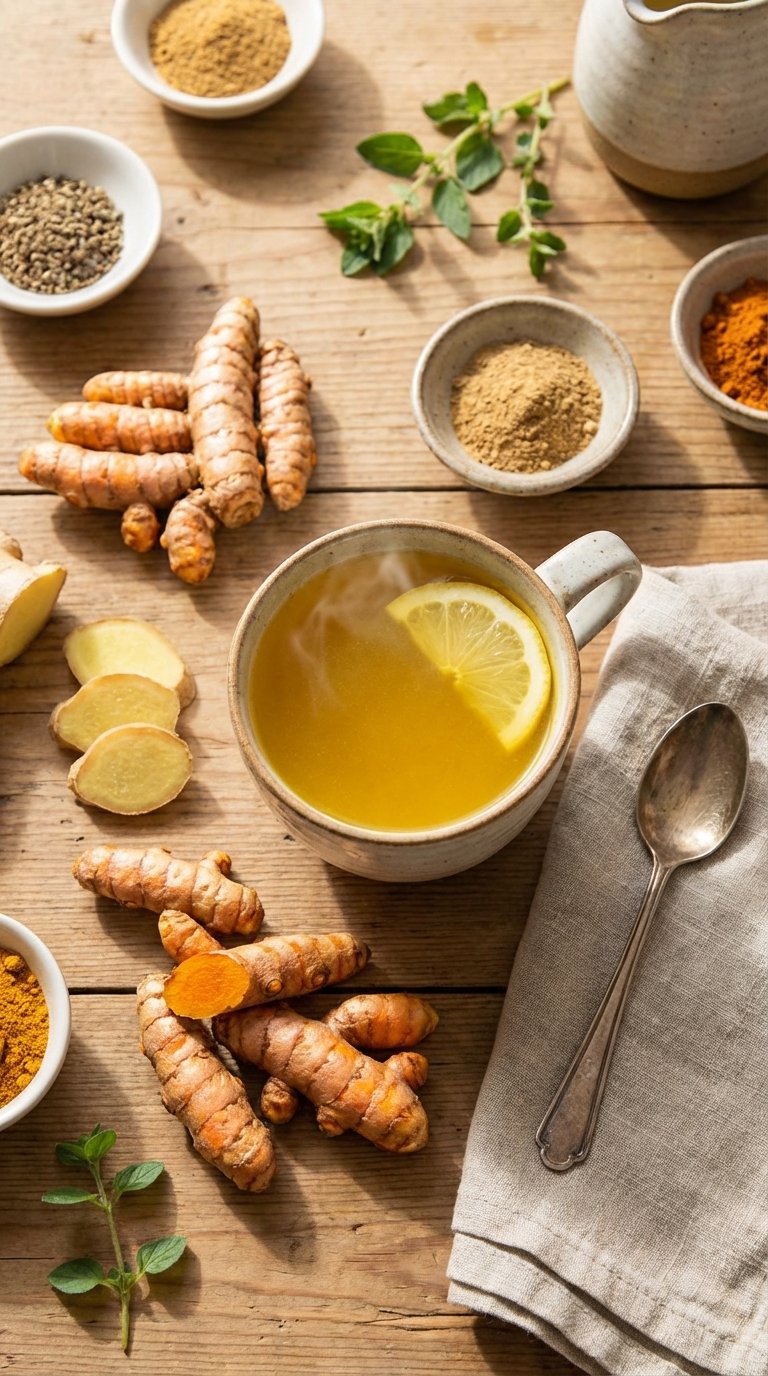
Practical tip: Store the unpeeled knobs of both roots in a breathable paper bag in the crisper drawer to prevent mold growth and maintain optimal firmness.
Delicious Turmeric Dinner Recipes for the Family
Adding the freshly minced root to roasted chicken or sheet pan vegetables instantly transforms a boring evening meal into a vibrant feast. Weeknight suppers need to be both deeply satisfying and visually appealing. I routinely sauté a tablespoon of the bright orange paste with minced garlic before adding jasmine rice and rich coconut milk. It turns out wonderfully fragrant, fluffy, and perfectly yellow. You can also successfully rub a thick mixture of the grated root, olive oil, and coarse sea salt under the skin of a whole chicken before baking.
To achieve the absolute perfect sear on your highly spiced meats, I strongly recommend utilizing a heavy Nonstick Grill Pan for Indoor Stovetop Grilling. These savory Turmeric Dinner Recipes are always a massive hit with my kids.

Practical tip: When roasting root vegetables with this intense spice, toss them with the oil and minced root in a separate metal bowl to completely avoid staining your plastic containers.
Top Fresh Turmeric Recipes for Soups and Stews
Steeping the raw rhizome in simmering broth releases its fat-soluble compounds, creating deeply restorative and golden-hued soups. Nothing comforts the soul quite like a steaming bowl of homemade chicken noodle soup. The slow simmering process patiently extracts every bit of complex flavor from the fibrous root. I prefer tossing two whole, slightly smashed thick slices directly into the pot while making vegetable stock. The hot liquid absorbs a beautiful sunny tint without becoming unpleasantly gritty. Last autumn, I developed a creamy butternut squash soup using roasted garlic and a thumb-sized piece of the raw rhizome.
The final pureed result was incredibly silky, thick, and wonderfully warming. When preparing these comforting Fresh Turmeric Recipes, simply remove the whole boiled slices before serving if you prefer a perfectly smooth texture.
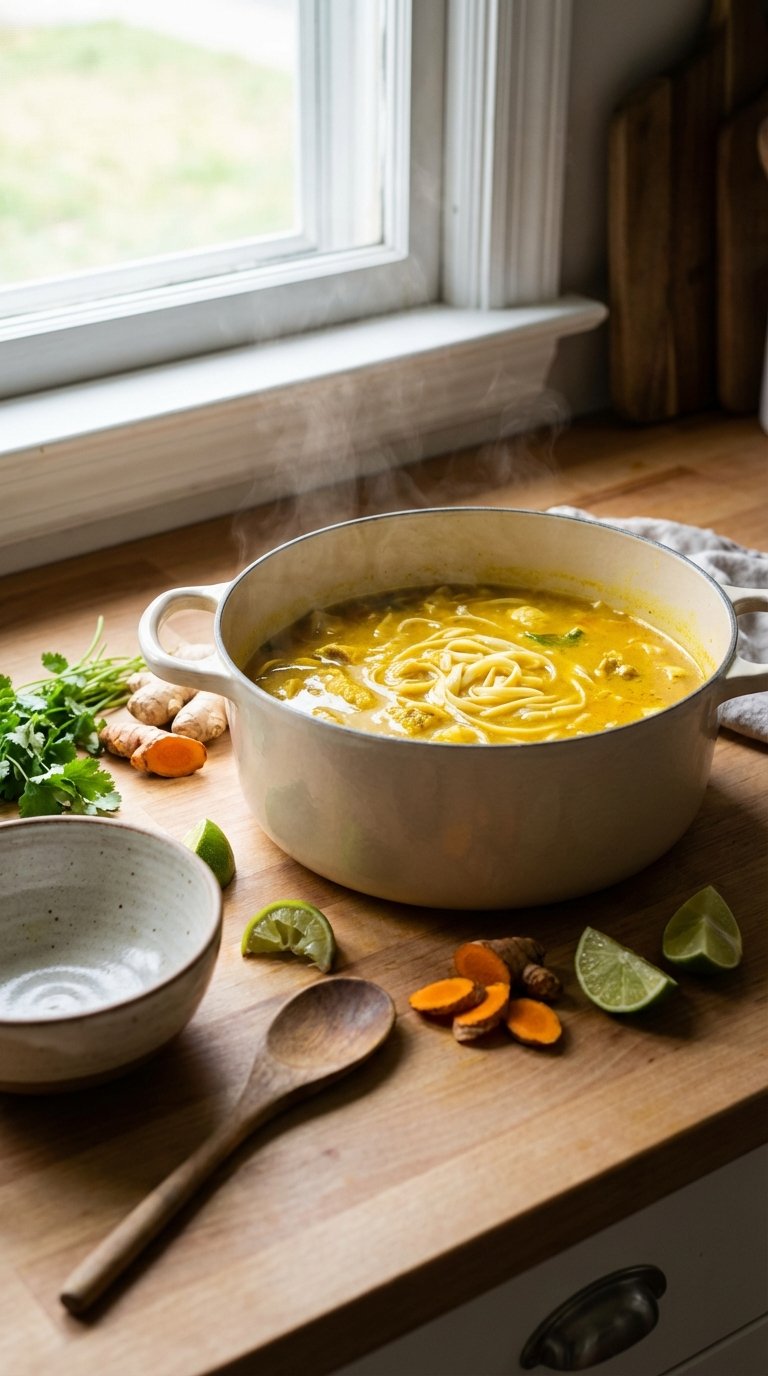
Practical tip: Grate the fresh root directly over the simmering pot rather than on a wooden cutting board to ensure you capture all the highly pigmented, flavorful juices.
Quick and Healthy Recipes Using Turmeric for Lunches
Whisking the bright root into salad dressings or tossing it with chickpeas makes midday meals incredibly nutrient-dense and satisfying. Midday fatigue is easily beaten by eating vibrant, wholesome ingredients. I frequently meal-prep a crunchy quinoa salad loaded with roasted bell peppers, cucumbers, and a zesty lemon-turmeric vinaigrette. The raw juice gives the dressing a gorgeous neon color that makes eating vegetables genuinely fun. For a protein boost, I fry canned chickpeas in olive oil with a generous tablespoon of the grated rhizome until they turn beautifully crispy.
These spicy, crunchy legumes are fantastic served over mixed greens or simply eaten directly by the handful. Preparing these Healthy Recipes Using Turmeric is incredibly fast if you utilize a 12-in-1 Manual Food Chopper for the salad base.
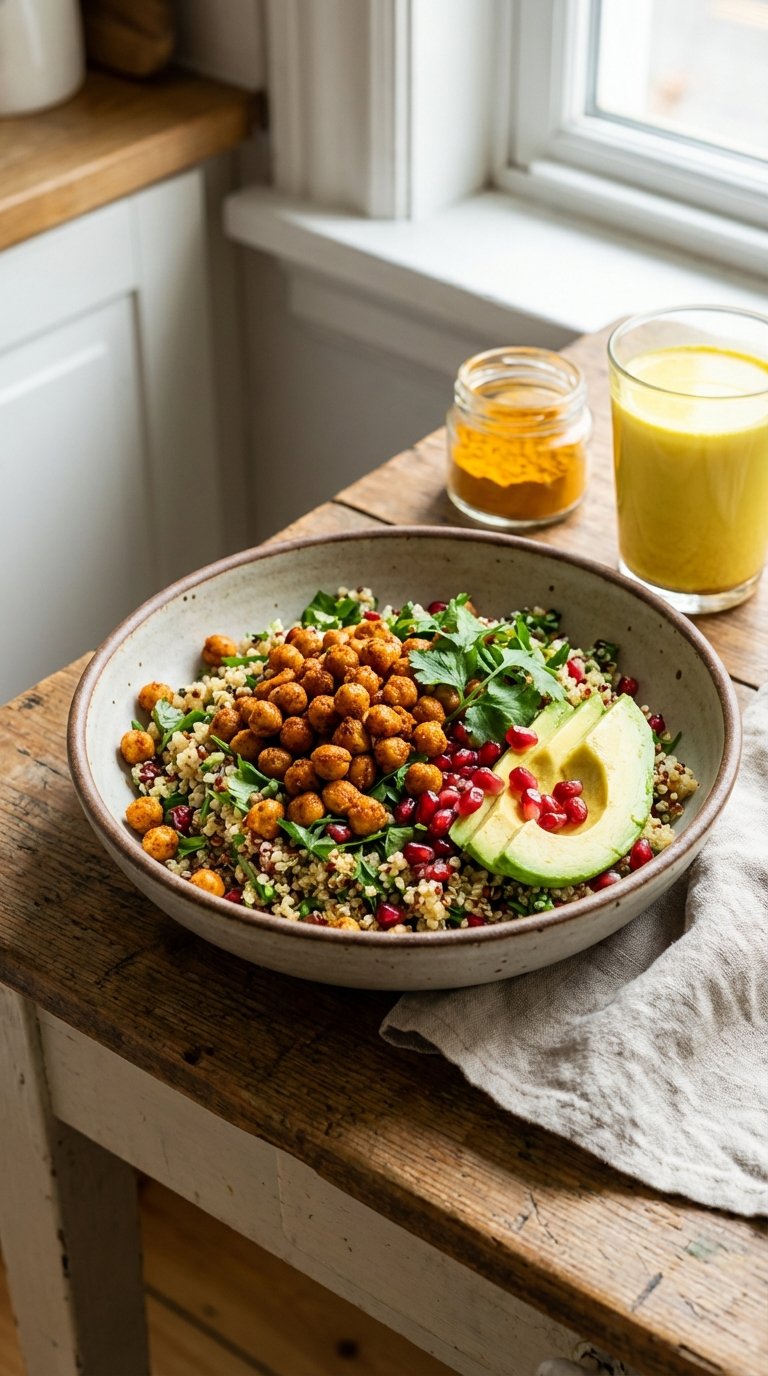
Practical tip: Pack your spiced vinaigrette in a tiny glass jar completely separate from your delicate greens to keep the salad perfectly crisp until your lunch break.
Mediterranean Diet Recipes Featuring Golden Root
Blending the earthy rhizome with heart-healthy olive oil, garlic, and fresh herbs perfectly aligns with Mediterranean dietary principles. The Mediterranean lifestyle heavily emphasizes whole foods and robust natural spices, making this root a flawless addition to your weekly rotation. I recently prepared a large batch of roasted cauliflower florets tossed heavily with the raw root, ground cumin, and cold-pressed olive oil. The florets caramelized beautifully in the hot oven, developing a rich, savory crust. This specific flavor profile surprisingly pairs exceptionally well with a cooling cucumber tzatziki sauce.
Incorporating this potent spice into your weekly grilled fish and roasted vegetable dishes effortlessly boosts your overall daily antioxidant intake. These vibrant Mediterranean Diet Recipes bring an exciting, warm twist to traditional coastal cooking.

Practical tip: Combine the freshly minced root with a splash of raw apple cider vinegar before adding olive oil to help break down the tough fibers for marinades.
Vibrant Clean Eating Recipes with a Healthy Twist
Utilizing the whole, unprocessed root rather than bottled extracts ensures your meals remain completely free from artificial additives and harsh preservatives. Keeping your diet simple means heavily relying on whole ingredients for maximum flavor impact. The natural rhizome provides an unparalleled aromatic depth to simple steamed greens or baked sweet potatoes. I love making a raw carrot and crisp apple slaw tossed with a zesty ginger and golden root dressing. The crunchy textures and fiery flavors consistently leave you feeling incredibly energized.
My early culinary attempts at clean eating were quite bland until I discovered how effectively raw spices can transform basic vegetables. Focus on these vibrant Clean Eating Recipes to naturally improve your weekly meal prep without relying on heavy commercial sauces.
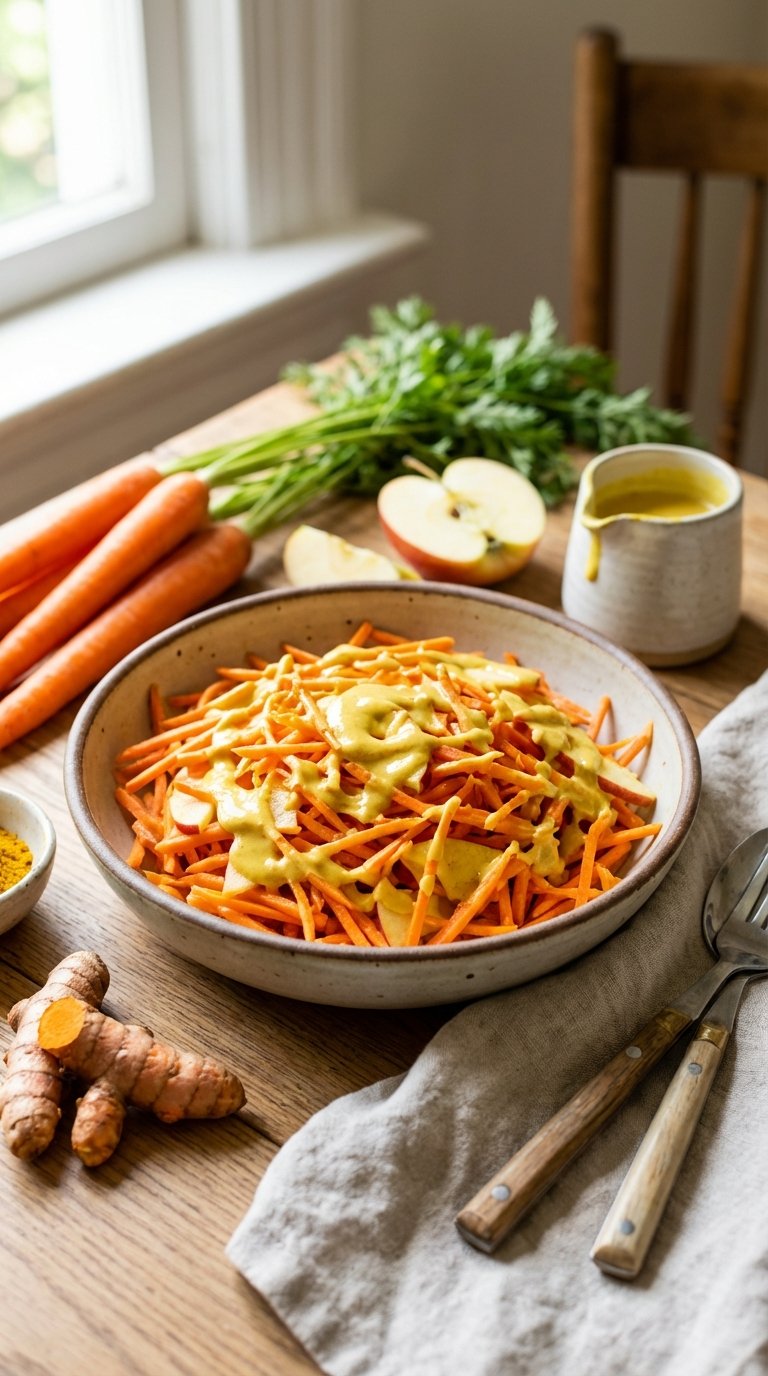
Practical tip: Use a dedicated small metal spoon to scrape away the thin, papery skin of the root, preserving as much of the nutrient-rich bright flesh as possible.
Flavorful Tahini Recipes with Spicy Turmeric Uses
Whisking raw golden paste into nutty sesame paste creates a rich, creamy sauce that works brilliantly on roasted root vegetables. The slight bitterness of roasted sesame seeds beautifully complements the earthy, peppery bite of the fresh rhizome. I regularly blend half a cup of sesame paste with fresh lemon juice, warm water, and two teaspoons of the microplaned root. This specific combination is incredibly versatile for drizzling heavily over warm grain bowls or dipping crunchy raw vegetables. The fat in the sesame actually helps your body absorb the curcumin efficiently.
If you need precise measurements for your homemade sauce ingredients, using a 4-Piece Natural Wooden Measuring Cup Set ensures perfect proportions every single time. These savory Tahini Recipes are an absolute staple in my kitchen.

Practical tip: Gradually add hot water to your sesame dressing while whisking vigorously until the mixture transforms from a seized solid clump into a pourable, silky smooth sauce.
Easy High Fiber Recipes Using Tumeric Roots
Pairing the grated spice with lentils, beans, and whole grains significantly enhances the nutritional profile of high-fiber meals. Fiber-rich foods often need robust, aggressive seasoning to prevent them from tasting terribly mundane. I regularly cook red lentil dal, which requires blooming the grated rhizome in hot clarified butter along with black mustard seeds before folding in the cooked lentils. The resulting stew is exceptionally hearty and deeply comforting on chilly evenings. I used to rely entirely on generic yellow curry powders, but switching to the raw root added a stunning brightness.
This single ingredient swap completely transformed the humble legumes from boring to restaurant-quality. Making these comforting High Fiber Recipes keeps you incredibly full for hours while actively supporting optimal daily gut health.

Practical tip: Soak your dried beans and lentils overnight with a single bay leaf, then rinse thoroughly before boiling to improve digestibility and reduce the cooking time significantly.
Swapping Fresh Root for Recipes With Turmeric Powder
You must use three times the amount of the raw grated rhizome to equal the potency of the dried spice. Converting traditional instructions requires thoroughly understanding the concentration differences between the two distinct forms. If a soup calls for one teaspoon of the dried version, you need exactly one full tablespoon of the raw pulp. I learned this specific ratio the hard way when I under-seasoned a massive pot of coconut curry and it tasted completely flat. The raw version also adds extra moisture and fibrous texture to your dish.
This excess liquid is generally perfectly fine in simmering stews, but you should pat the grated pieces dry with a paper towel when adapting Recipes With Turmeric Powder for baked goods or dry meat rubs.
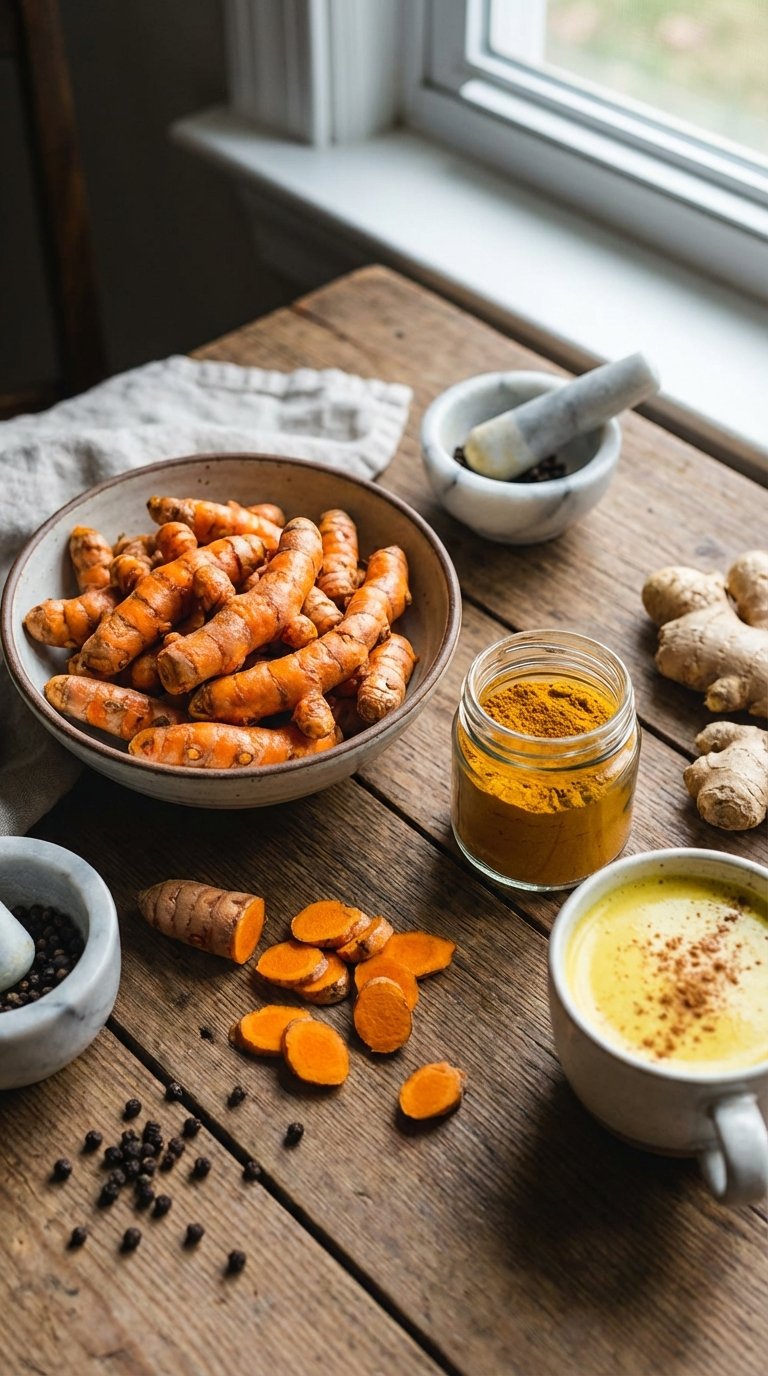
Practical tip: Use a fine-mesh metal strainer to press the potent juice out of the grated pulp if you only want the vibrant color without adding the fibrous texture.
Essential Tools for Prepping Fresh Turmeric Recipes
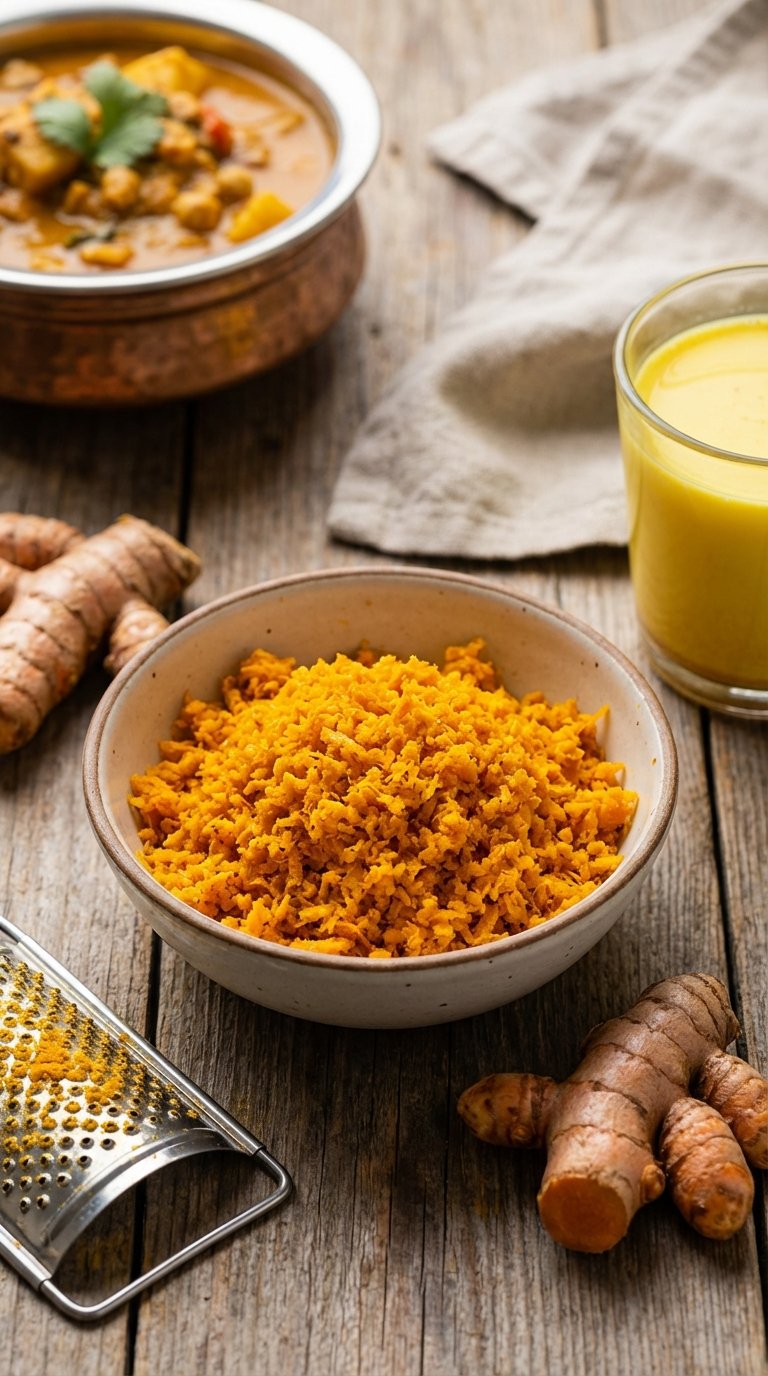
Utilizing a high-quality microplane, sharp peeling tools, and glass storage containers makes handling this notoriously staining root incredibly easy. The right equipment actively prevents your kitchen from permanently turning bright yellow. I highly recommend keeping a dedicated grater specifically for this ingredient, as the volatile oils stubbornly cling to microscopic metal crevices. You should always wear tight-fitting latex or nitrile gloves during the peeling and grating process. Before I started using proper protective gear, my fingernails looked awkwardly stained for weeks. Always store your leftover prepped paste securely in glass jars.
The intense yellow pigment will permanently dye anything porous it touches within seconds. A sturdy 2-in-1 Stainless Steel Vegetable Peeler & Grater handles the tough, knobby exterior flawlessly when prepping Fresh Turmeric Recipes.
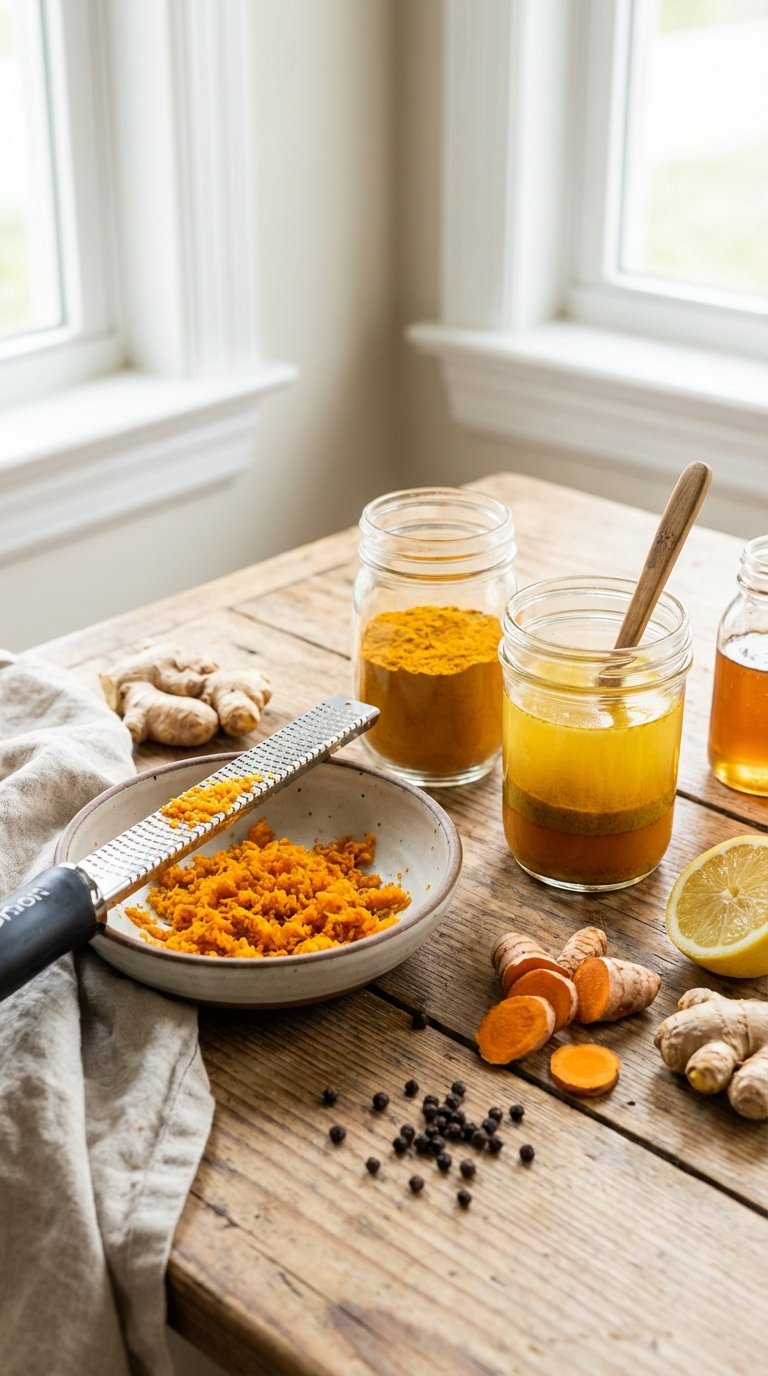
Practical tip: Immediately wash your knives, cutting boards, and graters with hot soapy water after use to prevent the bright yellow pigment from permanently setting into the materials.
Restorative Golden Paste
Prep Time: 5 minutes
Cook Time: 10 minutes
Total Time: 15 minutes
Servings: 16
Calories: 35 per serving
Ingredients
– 1/2 cup fresh turmeric root (peeled and finely grated)
– 1 cup filtered water (plus more if needed)
– 1/3 cup cold-pressed coconut oil (unrefined)
– 1 1/2 teaspoons freshly ground black pepper (crucial for absorption)
– 1 teaspoon ground cinnamon (optional, for sweetness)
Instructions
1. Combine the finely grated rhizome and water in a small stainless steel saucepan over medium-low heat. Stir constantly for 7-10 minutes until it forms a thick paste.
2. Remove the saucepan from the heat. You’ll know it’s ready when the mixture pulls away from the sides of the pan slightly and looks cohesive.
3. Stir in the coconut oil, freshly ground black pepper, and cinnamon while the paste is still warm. Mix vigorously until the oil is completely melted and incorporated.
4. Transfer the mixture to a clean glass jar. Let it cool completely to room temperature before securing the lid.
Nutrition Facts (per serving)
Calories: 35 | Protein: 0g | Carbs: 1g | Fat: 4g | Fiber: 0g | Sugar: 0g | Sodium: 1mg
Storage
Store the cooled paste in an airtight glass jar in the refrigerator for up to 3 weeks. You can also freeze portions in an ice cube tray for up to 6 months. Reheat by stirring directly into hot milk or soups.
Recipe Notes
– You can substitute the coconut oil with high-quality grass-fed ghee if preferred.
– Make-ahead tip: Double the batch and freeze half in silicone molds so you always have a base ready for golden milk lattes.
– Scaling notes: The recipe easily halves or doubles. Always maintain the ratio of black pepper to the root for maximum nutritional benefits.
Frequently Asked Questions About Cooking with Turmeric
Addressing common concerns about preparation, storage, and consumption helps you confidently incorporate this powerful superfood into your daily cooking routine. Working with this potent rhizome can be intimidating for beginners due to its intense color and unique flavor profile. I receive numerous questions from readers who are eager to try it but fear staining their expensive countertops or using the wrong conversion ratios. Understanding the best practices for handling, freezing, and pairing this ingredient ensures you get maximum nutritional benefits without the culinary mishaps. Whether you are blending it into a morning smoothie or simmering it in a rich evening curry, mastering the basics makes the entire process highly enjoyable. Below, I have carefully compiled the absolute most common queries I routinely encounter about dealing with this vibrant root. These targeted answers will help streamline your daily cooking experience. Let me share these practical solutions so you can cook fearlessly and enjoy every single nutritious meal.
Should I peel the root before cooking?
You do not strictly need to remove the skin if you are purchasing organic varieties. The skin is entirely edible and contains beneficial fiber. However, if the exterior looks exceptionally tough, dirty, or conventionally grown, gently scraping it away with the edge of a small metal spoon is the most efficient removal method. This preserves the flesh underneath perfectly.
What is the ratio of fresh to dried?
The golden rule for conversion is using one tablespoon of the newly grated root for every one teaspoon of dried powder called for in your instructions. The raw version contains significantly more water weight, so you need a larger physical volume to achieve the identical flavor intensity and color saturation in your finished dishes.
How do you prevent stains on hands and boards?
Always wear fitted food-safe gloves when grating or mincing the rhizome. To protect your work surfaces, place a layer of parchment paper over your cutting board before you begin chopping. If a stain does occur, immediately scrub the area with a thick paste made of baking soda and a few drops of fresh lemon juice.
Do I need black pepper to absorb the nutrients?
Yes, adding a tiny pinch of black pepper is scientifically proven to enhance curcumin absorption by up to two thousand percent. The piperine in the pepper acts as a natural catalyst. You also need to include a healthy fat source, like olive oil or coconut milk, because the active compounds are entirely fat-soluble.
How long does it last in the fridge?
Unpeeled knobs will easily stay crisp for up to three weeks when stored correctly in the refrigerator. Wrap the firm pieces loosely in a slightly damp paper towel, then place them inside a breathable paper bag in your crisper drawer. If they begin feeling soft or rubbery, they are past their prime.
Can I freeze the whole root?
Absolutely! Freezing is the ultimate preservation method for long-term storage. Wash and thoroughly dry the whole pieces, then store them in an airtight freezer bag for up to six months. You do not even need to thaw them before use; simply grate the frozen knob directly into your simmering soups or hot skillets.
Adding this vibrant ingredient to your weekly rotation is an effortless way to boost your wellness and brighten your meals. I challenge you to try grating a small knob into your next dinner and taste the incredible difference yourself. Leave a comment below letting me know which of these recipes you are excited to cook first!