12 Healthy Recipes Using Turmeric for Meals
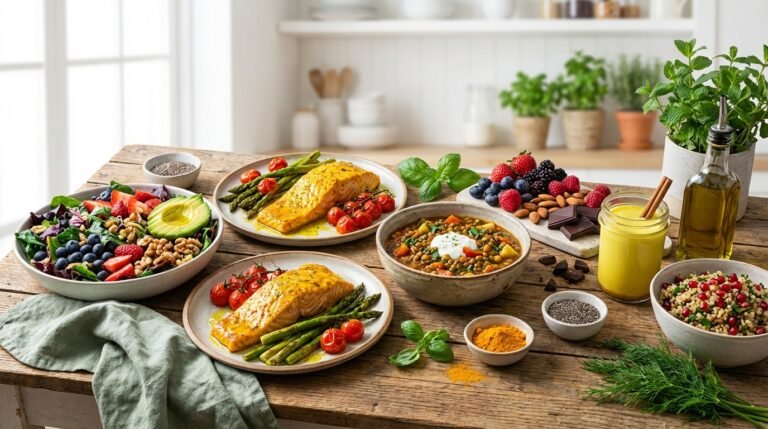
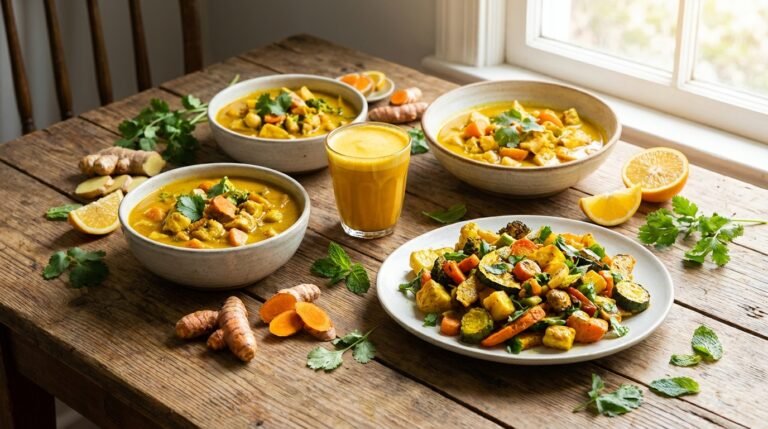
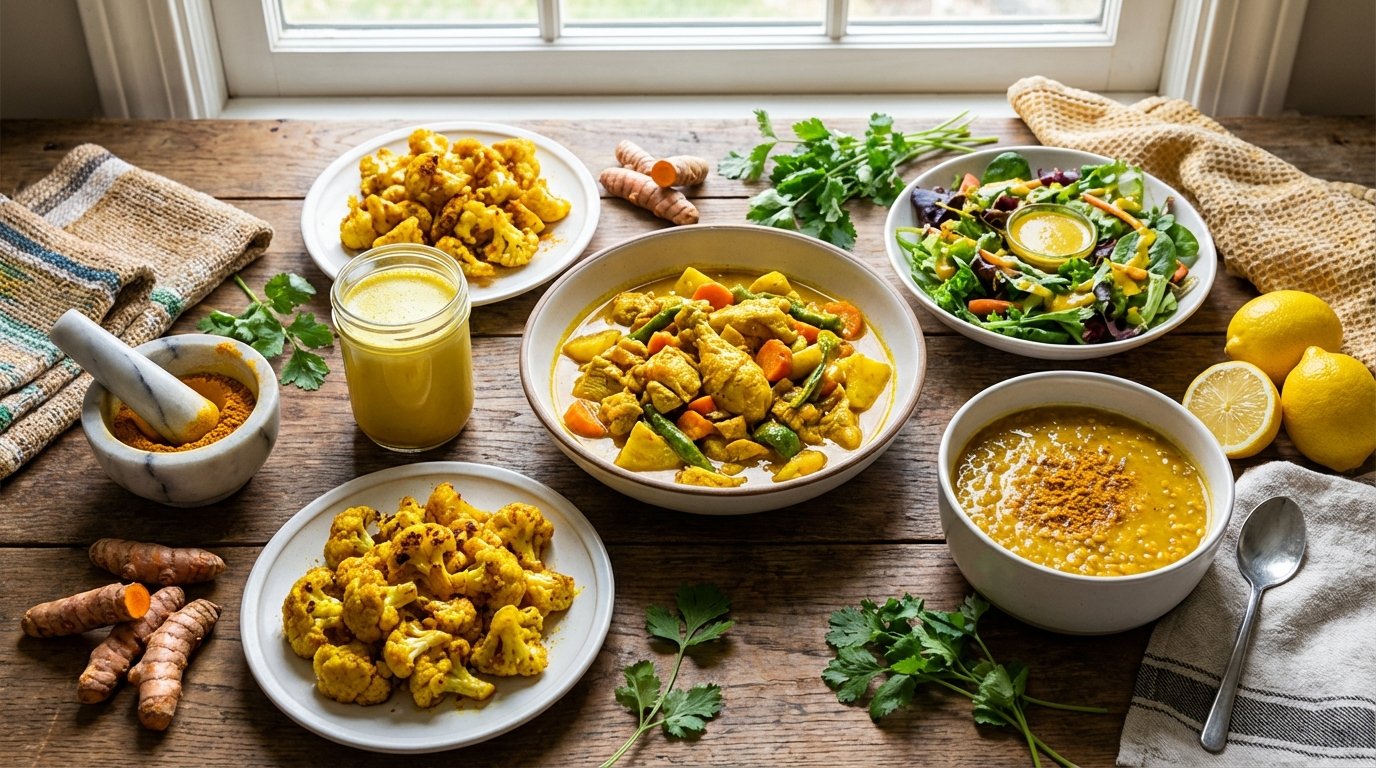
Finding genuine recipes using turmeric transformed how my family eats dinner every week. I remember my first attempt at a golden milk latte three years ago; I added two whole tablespoons of the raw spice and stained my favorite white sweater, while the drink itself tasted like bitter dirt. Since that epic failure, I’ve tested dozens of variations to get the balance of earthy, peppery flavor just right. Readers often ask me how to incorporate this vibrant ingredient without making everything taste overwhelming. That is exactly why I compiled this collection of twenty-five approachable meals. These options balance the robust root with acidic citrus, creamy coconut milk, and aromatic ginger to create meals your kids will actually request. We will cover everything from morning smoothies to hearty stews. Jump to Recipe
Why You Should Cook With This Golden Spice
Cooking with this vibrant root adds incredible depth of flavor and a beautiful yellow hue to your everyday meals. The earthy profile balances acidic ingredients perfectly, making it an essential pantry staple. Beyond the distinct taste, curcumin—the active compound found inside—offers documented wellness benefits. Incorporating a well-researched antiinflammatory recipe into your weekly rotation helps combat oxidative stress naturally. I highly recommend stocking high-quality spices in airtight containers to preserve their volatile oils. Keeping your ingredients fresh ensures maximum potency for all your cooking projects. If you need a solid storage upgrade, the Japanese Style Ceramic Seasoning Jar is an excellent choice for keeping out light and moisture.

Practical tip: Always pair your chosen dish with a pinch of black pepper, as piperine increases curcumin absorption by two thousand percent. This simple chemical reaction unlocks the full potential of your food, transforming a standard dinner into a truly restorative experience.
How To Use Turmeric In Recipes Safely and Deliciously
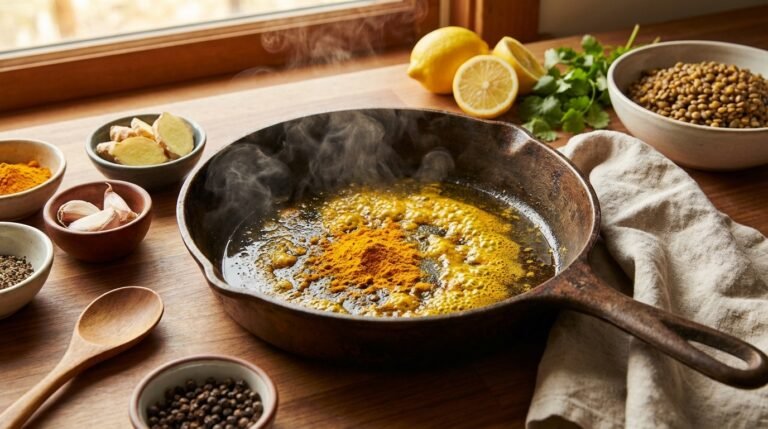
Using this potent ingredient requires balancing its mildly bitter, mustard-like notes with fats and natural sweetness. You must bloom the ground powder in warm oil before adding liquids to release its fat-soluble aromatic compounds. I learned this the hard way when a batch of lentil soup tasted chalky because I merely stirred the raw powder into cold broth. Heat activates the essential oils, creating a fragrant base for your meals.
When exploring how to use turmeric in recipes, start small. A quarter teaspoon is often plenty for a family-sized soup or curry. It pairs exceptionally well with coconut milk, garlic, cumin, and roasted root vegetables. Using proper cooking tools prevents lasting stains on your counters.

Practical tip: Wash your cutting boards and utensils immediately with cold water and dish soap to prevent the yellow pigment from setting permanently into the surface. Warm water sets the stain!
Vibrant Antiinflammatory Breakfasts to Start Your Day — Golden Oatmeal Bowl
Eating a warm, spiced breakfast bowl provides sustained energy and reduces morning stiffness. This comforting porridge combines rolled oats, creamy almond milk, toasted walnuts, and a warming blend of cinnamon and golden root powder. The subtle earthiness cuts through the natural sweetness of maple syrup, resulting in a perfectly balanced morning meal. The aromas alone will pull your family out of bed.
These quick antiinflammatory breakfasts take only ten minutes to simmer on the stove. Cooking the oats slowly allows the spices to permeate every single bite, creating a rich, satisfying texture. If you want to speed up your morning routine, the 3-in-1 Breakfast Station makes multitasking incredibly efficient while your porridge bubbles away.

Practical tip: Toast your dry oats in a teaspoon of coconut oil for two minutes before adding your milk; this adds a nutty flavor profile.
Nourishing Turmeric And Ginger Recipes for Lunch — Spiced Chickpea Salad
Combining these two powerful rhizomes creates a zesty, immune-boosting flavor profile perfect for midday meals. This refreshing salad features smashed chickpeas, diced celery, fresh dill, and a vibrant dressing made from lemon juice, olive oil, and freshly grated roots. The sharp bite of the ginger harmonizes beautifully with the mellow, grounded notes of the yellow spice.
Preparing turmeric and ginger recipes for your weekly lunches ensures you avoid the afternoon slump. The high protein content of the chickpeas keeps you full until dinner time. Storing these prepared salads is much easier when using proper glass containers that will not absorb odors or colors.

Practical tip: Let the chickpea mixture marinate in the refrigerator for at least thirty minutes before serving. The resting time allows the bold flavors to meld together, enhancing the overall taste significantly while softening the raw ginger’s bite.
Easy Healthy Dinner Recipes Featuring Curcumin — Sheet Pan Lemon Chicken
Roasting seasoned proteins and vegetables together on a single pan minimizes cleanup while maximizing caramelized flavors. This simple meal coats tender chicken thighs, cauliflower florets, and red onions in a vibrant marinade of olive oil, lemon juice, garlic, and bright yellow spice. The high oven heat crisps the chicken skin while turning the vegetables tender and sweet.
Finding healthy dinner recipes that require minimal effort makes busy weeknights much more manageable. The golden marinade acts as both a tenderizer and a powerful flavor enhancer. Using a high-quality cutting surface, like the Acacia Wood Cutting Board, ensures your raw chicken preparation remains safe and sanitary.

Practical tip: Line your baking sheet with heavy-duty parchment paper rather than aluminum foil. The acidic lemon juice in the marinade can react unpleasantly with bare metal, altering the final taste of your meal.
Comforting Turmeric Dinner Recipes for Chilly Nights — Coconut Lentil Stew
Simmering red lentils in a rich coconut broth yields a velvety, warming soup that chases away the winter cold. This fragrant stew relies on a robust base of sautéed onions, minced garlic, blooming spices, and crushed tomatoes. The creamy coconut milk softens the peppery kick, resulting in a luscious, thick consistency that coats the back of your spoon perfectly.
When planning turmeric dinner recipes for the colder months, this plant-based option always wins over my household. It is incredibly inexpensive to make and scales up beautifully for large batch cooking. The leftovers often taste even better the next day as the complex seasonings continue to develop.

Practical tip: Stir in a handful of fresh baby spinach during the final two minutes of cooking. The residual heat wilts the greens perfectly without turning them mushy or gray, adding vibrant color.
Spicy Turmeric Uses in Mediterranean Diet Recipes — Golden Quinoa Pilaf
Integrating this earthy powder into heart-healthy grains adds spectacular color and subtle warmth to traditional coastal dishes. This fluffy quinoa pilaf features toasted pine nuts, sun-dried tomatoes, Kalamata olives, and a fragrant spice blend bloomed in extra virgin olive oil. The bright yellow grains look stunning when plated alongside grilled fish or roasted vegetables.
Exploring Mediterranean diet recipes reveals how seamlessly global spices blend with regional staples. The healthy fats from the olive oil and nuts actually help your body absorb the beneficial compounds much more efficiently. Cooking grains perfectly requires precise liquid measurements and a tight-fitting lid to trap the necessary steam.

Practical tip: Rinse your quinoa under cold running water for a full sixty seconds before boiling. This crucial step removes the natural saponin coating, preventing any unwanted soapy or bitter flavors in your finished pilaf.
Fresh Turmeric Recipes vs. Recipes With Turmeric Powder — Ginger Root Smoothie
Choosing between the raw rhizome and the dried version entirely depends on the texture and intensity you desire. The fresh root delivers a bright, zesty, and slightly citrusy punch that works beautifully in raw preparations like this energizing morning smoothie. Blending the peeled root with frozen mango, banana, and coconut water creates a vibrant, tropical drink that invigorates your senses immediately.
Testing various fresh turmeric recipes taught me that the raw root is less concentrated than the dried powder. You generally need to use three times as much grated fresh root to equal one teaspoon of the ground spice. For achieving a perfectly smooth consistency without gritty fibers, a high-powered machine like the 2200W Professional Digital Blender is absolutely vital.

Practical tip: Use a standard metal spoon to scrape the thin skin off the fresh root. It peels away effortlessly without wasting the flesh.
Clean Eating Recipes with a Golden Twist — Roasted Sweet Potatoes
Tossing root vegetables in warm spices before roasting elevates their natural sugars while providing a savory, complex crust. These cubed sweet potatoes are lightly coated in avocado oil, smoked paprika, sea salt, and the star yellow powder before hitting a hot oven. They emerge blistered, tender on the inside, and packed with a robust, earthy flavor that complements any main course.
These simple clean eating recipes rely on whole, unprocessed ingredients to deliver maximum nutrition. The vibrant color of the potatoes combined with the golden spice creates a visually stunning side dish. Ensuring your baking sheets are properly prepared prevents sticking and burning during the high-temperature roasting process.

Practical tip: Cut your sweet potatoes into uniform three-quarter-inch cubes to ensure even cooking. If the pieces vary wildly in size, the smaller chunks will burn before the larger ones soften completely in the center.
High Fiber Recipes Incorporating Golden Paste — Cauliflower Rice Skillet
Infusing fibrous vegetables with a pre-made spice paste cuts your active cooking time down significantly. This vibrant skillet meal uses riced cauliflower, black beans, diced bell peppers, and a generous spoonful of golden paste—a blend of the powdered spice, coconut oil, and black pepper. The vegetables absorb the fragrant oil, transforming bland cauliflower into a richly seasoned, deeply satisfying base.
Developing high fiber recipes that actually taste indulgent is much easier when you utilize bold, savory seasonings. The combination of beans and cruciferous vegetables provides tremendous digestive benefits. If you prefer prepping your own fresh vegetables, the 12-in-1 Manual Food Chopper makes dicing the bell peppers and onions incredibly fast.

Practical tip: Keep a small jar of prepared golden paste in your refrigerator for up to two weeks. It dissolves instantly into hot skillets, soups, and curries, saving you from measuring out individual spices every night.
Flavorful Tahini Recipes with Ground Turmeric — Creamy Lemon Dressing
Whisking sesame paste with earthy spices yields a luxurious, dairy-free sauce that brightens up any roasted vegetable bowl. This velvety dressing combines smooth tahini, fresh lemon juice, minced garlic, warm water, and a vibrant dash of the yellow powder. The nuttiness of the sesame seeds perfectly mellows the peppery bite of the spice, resulting in a wildly addictive, pourable condiment.
I absolutely love keeping tahini recipes like this in my weekly rotation because they add healthy fats to salads. The golden hue makes simple green leaves look incredibly appetizing and sophisticated. A proper dispensing bottle keeps your homemade dressings fresh and allows for precise, mess-free pouring over your meals.

Practical tip: Always whisk your tahini and lemon juice together first before slowly streaming in the cold water. This specific order prevents the sesame paste from seizing up and breaking into an unappealing, clumpy mess.
Our Favorite Healthy Recipes Using Turmeric for Sides — Spiced Rice
Simmering basmati rice in a fragrant, golden broth transforms a boring side dish into the star of your dinner table. This aromatic recipe fries raw rice grains in butter alongside cumin seeds, bay leaves, and the ground yellow powder before boiling. The grains emerge perfectly separate, vividly colored, and infused with a deep, toasted flavor that pairs wonderfully with grilled chicken.
Of all the recipes using turmeric we make, this seasoned rice remains my children’s absolute favorite request. It looks festive and requires almost no extra effort compared to making plain white rice. Having a reliable, heavy-bottomed pot ensures your grains steam evenly without scorching the delicate spices on the bottom.

Practical tip: Let the cooked rice rest off the heat, covered tightly, for exactly ten minutes before fluffing it with a fork. This resting period allows the moisture to redistribute evenly, preventing mushy or broken grains.
Golden Spiced Coconut Chicken Curry
Prep Time: 15 minutes
Cook Time: 25 minutes
Total Time: 40 minutes
Servings: 4
Calories: 385 per serving
Ingredients
- 1.5 lbs Boneless skinless chicken breasts (cut into 1-inch cubes)
- 1 tablespoon Coconut oil
- 1 large Yellow onion (finely diced)
- 3 cloves Garlic (minced)
- 1 tablespoon Fresh ginger (grated)
- 1.5 teaspoons Ground turmeric
- 1 teaspoon Ground cumin
- 0.5 teaspoon Black pepper
- 1 can (13.5 oz) Full-fat coconut milk
- 1 cup Chicken broth
- 1 tablespoon Fresh lime juice
Instructions
- Heat the coconut oil in a large skillet over medium-high heat. Add the diced onions and sauté for 5-7 minutes until they turn translucent and begin to brown slightly at the edges.
- Lower the heat to medium. Stir in the minced garlic, grated ginger, ground turmeric, cumin, and black pepper. Cook for 60 seconds, stirring constantly. You’ll know it’s ready when the spices become highly fragrant and form a thick paste.
- Add the cubed chicken breast to the skillet, tossing to coat the meat entirely in the spice mixture. Cook for 4-5 minutes until the outside of the chicken is browned.
- Pour in the coconut milk and chicken broth. Bring the mixture to a gentle simmer, then reduce the heat to low. Cover and let it simmer gently for 15 minutes. You’ll know it’s ready when the sauce has thickened slightly and the chicken is cooked through (internal temperature reaches 165°F).
- Remove the skillet from the heat and stir in the fresh lime juice right before serving to brighten the flavors.
Nutrition Facts (per serving)
Calories: 385 | Protein: 38g | Carbs: 8g | Fat: 22g | Fiber: 2g | Sugar: 3g | Sodium: 320mg
Storage
Store leftover curry in an airtight glass container in the refrigerator for up to 4 days. Reheat gently on the stovetop over low heat, adding a splash of water if the coconut milk sauce has thickened too much in the fridge.
Recipe Notes
- Substitution options: You can swap the chicken breasts for chickpeas and cubed tofu to create a completely plant-based version.
- Make-ahead tips: Chop all your onions, garlic, and ginger the night before. You can also mix your dry spices in a small bowl ahead of time to make the cooking process completely effortless.
- Scaling notes: This recipe easily doubles for large families. Simply use a larger Dutch oven instead of a skillet to ensure the chicken has enough room to brown properly.
Frequently Asked Questions About Healthy Turmeric Recipes
Many home cooks feel intimidated when first experimenting with this potent, brightly colored root in their kitchens. It is completely normal to have questions about proper usage, flavor balancing, and preventing stubborn stains on your countertops. Over my years of recipe testing, I have encountered and solved almost every issue associated with this ingredient. Whether you are wondering about the bioavailability of curcumin or how to substitute the raw root for the dried powder, understanding the basics makes cooking significantly less stressful.
I have compiled the most common queries I receive from readers who want to confidently master healthy recipes using turmeric. Getting comfortable with this spice opens up a whole new world of vibrant, wholesome meals for your family. By learning a few fundamental rules regarding heat, fat, and proper cleanup, you will soon consider this golden powder an indispensable staple in your weekly meal rotation.
What is the best way to absorb curcumin?
To maximize the absorption of curcumin in your body, always consume it alongside a source of fat and black pepper. The piperine found in black pepper dramatically increases the bioavailability of the compound, ensuring you get the maximum wellness benefits.
Can I substitute fresh root for powdered spice?
Yes, you can easily substitute the raw root for the powder. The general rule is to use one tablespoon of freshly grated root for every one teaspoon of dried powder required in your chosen recipe.
How much should I consume daily for an antiinflammatory recipe?
Most nutritional studies suggest consuming between five hundred to two thousand milligrams of curcumin daily. In culinary terms, adding about one-half to one full teaspoon of the ground spice to your daily meals provides a wonderful, health-supporting dose.
Do turmeric recipes dinners stain cookware?
Yes, the vibrant pigment will easily stain plastic storage containers, wooden spoons, and light-colored countertops. To prevent this, use stainless steel or glass cookware when preparing these meals, and wash all your tools immediately with cold, soapy water.
How to use turmeric in recipes without it tasting bitter?
The key to avoiding bitterness is blooming the spice in warm oil or butter before adding liquids. Additionally, balancing the earthy flavor with a touch of natural sweetness, like maple syrup or roasted carrots, neutralizes any harsh, astringent notes.
More Delicious Recipes Using Turmeric to Try Today
Expanding your culinary repertoire with this golden powder guarantees that your weekly meal plans remain exciting and visually appealing. Once you master the basic techniques of blooming the spice and balancing its earthy profile, you can easily invent your own flavorful variations. Try stirring a pinch into your scrambled eggs, blending it into salad dressings, or rubbing it onto roasting vegetables for an effortless upgrade.
The recipes using turmeric we explored today represent just a fraction of the possibilities waiting in your kitchen. From soothing beverages to robust, savory dinners, this versatile ingredient consistently delivers beautiful color and complex depth. If you enjoy creating large batches of these heavily spiced meals, storing them in a Large Airtight Food Storage Container keeps everything fresh.
Practical tip: Store your dried ground powder in a cool, dark cabinet away from the stove. Heat and light degrade the essential oils rapidly, causing the spice to lose its distinct aroma and flavor over time.
I hope these vibrant dishes inspire you to start cooking with confidence and creativity. Please share your favorite golden-hued creations in the comments below, and let me know which meal your family loved the most!